Hello everyone, I am delighted to talk to you today about the different types of pianos that exist. Whether you are an experienced musician or a beginner, it is essential to understand the various options available so you can find the piano that best suits your needs.
In this article, we will explore upright pianos, grand pianos, digital pianos, and other specialized types of pianos. Each of these pianos has its own features and advantages.
So, without further ado, let’s discover the different types of pianos available on the market.
Upright pianos
Upright pianos are compact, affordable instruments suitable for most houses and apartments. They take up less space than grand pianos while still offering satisfactory sound quality. There are two types of upright pianos: full-size upright pianos and small upright pianos.
Full-size upright pianos, as their name suggests, are larger than small upright pianos. They are often used in schools, recording studios, and concert halls. Full-size upright pianos offer deeper resonance and a richer sound than small upright pianos.
Small upright pianos are better suited to home use. They take up less space and cost less than full-size upright pianos. Although their sound is less impressive, their compact size and ease of use make them popular with beginners and intermediate pianists.

Upright pianos are the best friends of beginners and music enthusiasts looking for a practical, affordable, and space-saving instrument.
Grand pianos
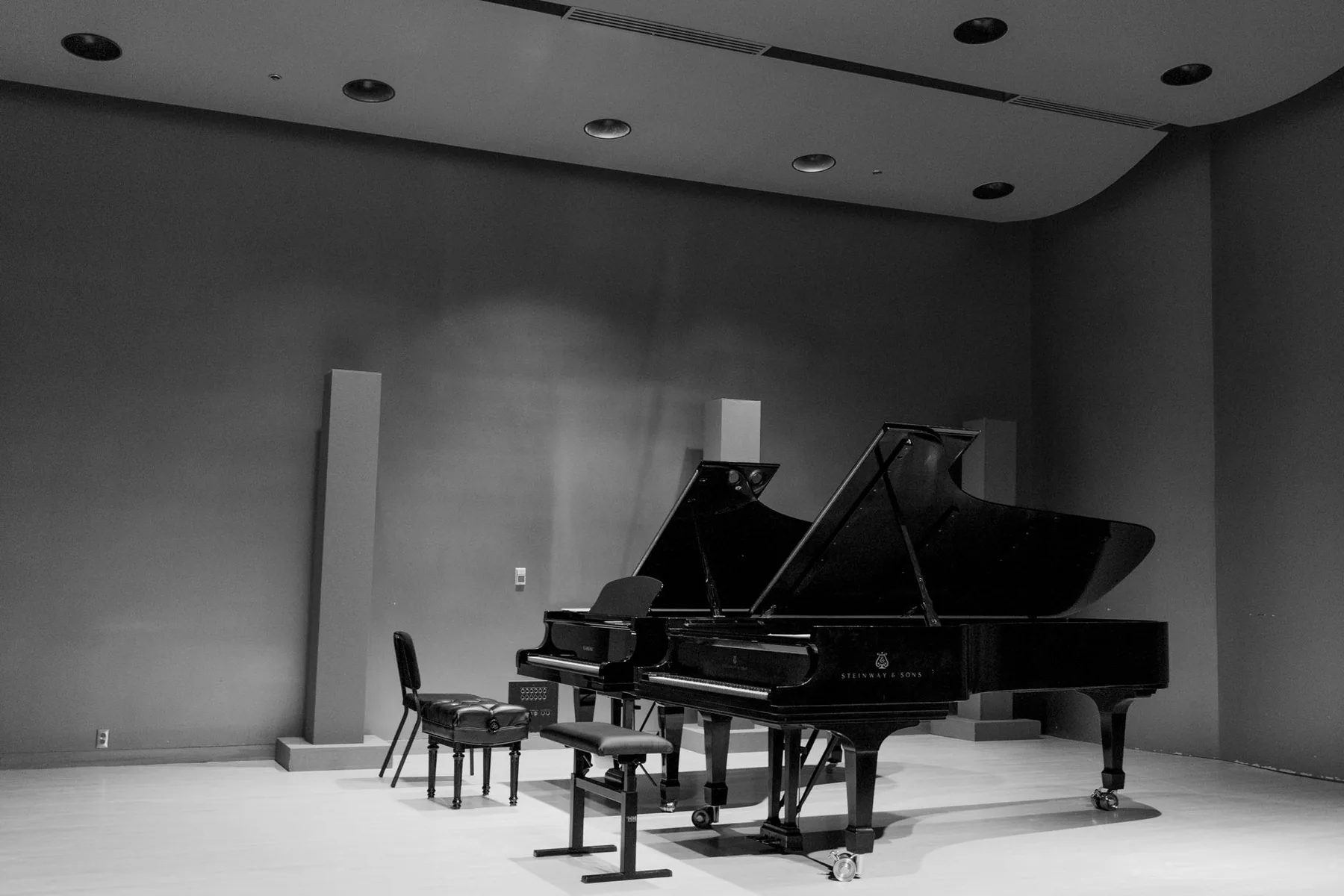
If you are looking for a piano that offers superior sound quality and an elegant design, a grand piano could be the ideal solution. Grand pianos are often considered the finest acoustic pianos because of their large size and sophisticated design.
Grand pianos come in different sizes, ranging from small, compact models to full-size concert grands. The size of a grand piano often determines the quality of the sound it produces, with larger pianos offering better resonance and a richer, deeper sound.
| Advantages of grand pianos: | Disadvantages of grand pianos: |
|---|---|
|
|
Grand pianos are often considered works of art because of their aesthetic beauty and great value. However, they can be expensive and require a sufficiently large space for installation and playing. If you are a professional musician or a passionate music enthusiast, a grand piano can be an excellent investment in your career or hobby.
Digital pianos
Digital pianos are becoming increasingly popular because of their versatility and ease of use. There are several types of digital pianos, each with its own advantages and disadvantages.
Hybrid digital pianos
Hybrid digital pianos have a keyboard similar to that of an acoustic piano and use both sampled sounds and hammer mechanisms to produce an authentic sound. They are perfect for musicians who want a sound similar to that of an acoustic piano but need the additional features of a digital piano.
Acoustic-style digital pianos
Acoustic-style digital pianos are designed to imitate the sound and feel of an acoustic piano, but without the maintenance and tuning requirements that often come with one. They feature built-in speakers that produce a clear, powerful sound.
Electric digital pianos
Electric digital pianos are easier to transport and more compact than acoustic-style and hybrid digital pianos. They are often used for stage performances or in recording studios because they are easy to transport and can be connected to external speakers.
Portable digital pianos
Portable digital pianos are generally compact and lightweight, making them easy to transport. They are perfect for beginners or musicians on the go. However, they do not offer the same sound quality as other types of digital pianos.

Ultimately, your choice of digital piano will depend on your needs and budget. Digital pianos offer numerous features and a variety of sounds, making them suitable for a wide range of musicians. Whichever piano you choose, make sure it matches your skill level and playing style.
Other types of pianos
In addition to upright, grand, and digital pianos, there is a wide variety of unique and specialized pianos. Some of these pianos are designed to meet particular needs, while others are works of art in their own right.
For example, silent pianos allow musicians to play without making noise thanks to a built-in muting system. Similarly, player pianos can perform previously recorded pieces, while self-tuning pianos adjust themselves automatically to stay in tune.
There are also custom pianos created according to the customer’s specifications, transparent grand pianos, and even floating pianos. These exceptional pianos are often expensive and prestigious collectors’ pieces.
Whichever type of piano you choose, make sure you fully understand its features, advantages, and limitations. If you are looking for a unique piano, consult music experts and professionals to find the perfect piano for you.
How do you choose the ideal piano?
Finding the ideal piano may seem difficult, but the task becomes easier if you consider a few key factors. First, determine your playing level. If you are a beginner, a medium-sized upright piano may be sufficient, whereas a professional pianist may prefer a grand piano.
Next, consider the space available to you. If you have a small house or apartment, a compact upright piano will be more suitable than an imposing grand piano. If you have a large space, a grand piano can become a centerpiece of your décor.
It is also important to consider how you intend to use the piano. If you want to play for your own enjoyment, a digital piano can be an excellent option because it offers many convenient features. If you want to perform in public, a grand piano can offer superior acoustic performance.
Finally, consider your budget. Upright pianos are generally less expensive than grand pianos, while digital pianos can offer many features at an affordable price. If you are looking for a long-term investment, it may be worth choosing a high-end piano.
Whatever your choice, it is important to try different pianos before making a purchase. Touch and sound are very personal, and you need to feel comfortable with the instrument you choose. Do not hesitate to seek a professional’s advice to help you make the best decision.
Choosing the ideal piano may seem daunting, but by considering your needs and budget, you can find the instrument that suits you best. Remember: the most important thing is to find a piano that brings you joy and makes you want to play!
Maintaining your piano
Taking care of your piano is essential to preserving its sound quality and extending its lifespan. Here are a few tips for maintaining your piano:
- Have your piano tuned regularly: A piano should be tuned at least once a year to preserve its pitch and sound quality. Hire a professional piano tuner for this task.
- Monitor the humidity level: Fluctuations in humidity can affect your piano’s wood and mechanisms. Use a humidifier or dehumidifier to maintain a stable humidity level.
- Clean your piano regularly: Use a soft cloth to remove dust from your piano’s keys and case. Avoid using harsh cleaning products.
- Avoid impacts and vibrations: Protect your piano from impacts and vibrations by avoiding moving it or placing it near a source of vibration, such as a washing machine or bass speaker.
By following these maintenance measures, your piano will retain its sound quality, and you will be able to enjoy it for many years.

Conclusion
In short, choosing the ideal piano depends on many factors, such as your playing level, the space available, and your personal preferences. There are different types of pianos, each with unique advantages and features. Upright pianos are compact and affordable, while grand pianos offer better sound quality and are favored by professionals. Digital pianos are versatile and provide advanced features. Finally, there are other types of specialized pianos that can meet particular needs.
To take care of your piano, it is important to have it tuned regularly, clean it, and monitor the humidity level. By following these simple tips, you can extend your instrument’s lifespan and maintain optimal sound quality.
Ultimately, playing the piano is a rewarding activity that can bring joy and a sense of achievement. I strongly recommend taking the time to find the piano that best suits your needs while enjoying the process of discovery and musical creation.



0 Comments