I am always fascinated by the variety of musical styles that can be played on the piano. Whether jazz, classical music, or pop, each genre has its own characteristics and can stimulate creativity. I am convinced that this diversity is what makes the piano one of the world’s best-loved instruments.
The most popular piano genres include jazz, a dynamic style with African American roots; classical music, with its rich history and complexity; and pop, a catchy, modern style that is ever-present in today’s music. In the following sections, we will explore the characteristics of each style and its contributions to piano music in detail.
Jazz piano style
Jazz is a musical style that emerged in the southern United States in the early twentieth century. It is characterized by improvisation and freedom of expression, as well as the use of blue notes and seventh chords.
The piano is an essential jazz instrument because it is used to produce harmony and melody. Jazz pianists are known for their outstanding technique and ability to improvise on the fly. Some of the greatest jazz pianists of all time include Art Tatum, Thelonious Monk, and Oscar Peterson.
Jazz pianists often use complex chords and syncopated rhythms to create unique and fascinating sounds. They may also vary the tempo and volume to bring emotion to their music.
Jazz continues to influence today’s popular music. It is an exciting and enjoyable musical style to play on the piano. Jazz elements can also be combined with other styles to create unique compositions.

Photo: Glenn Gould, Canadian classical and jazz pianist
Classical piano style
The piano and classical music share an intimate and complex relationship stretching back several centuries. Classical music is known for its richness and depth, and the piano is an ideal instrument for expressing these qualities. Great classical composers such as Mozart, Bach, and Beethoven created numerous masterpieces for the piano that are now considered cornerstones of Western music.
Classical piano music is often characterized by complex technique and precise interpretation. Classical pianists must be able to play with a wide dynamic range and express a variety of emotions through their performance. Indeed, classical music often serves as a form of emotional expression, either by reflecting emotions such as sadness, joy, or anger or by evoking emotions in the listener.
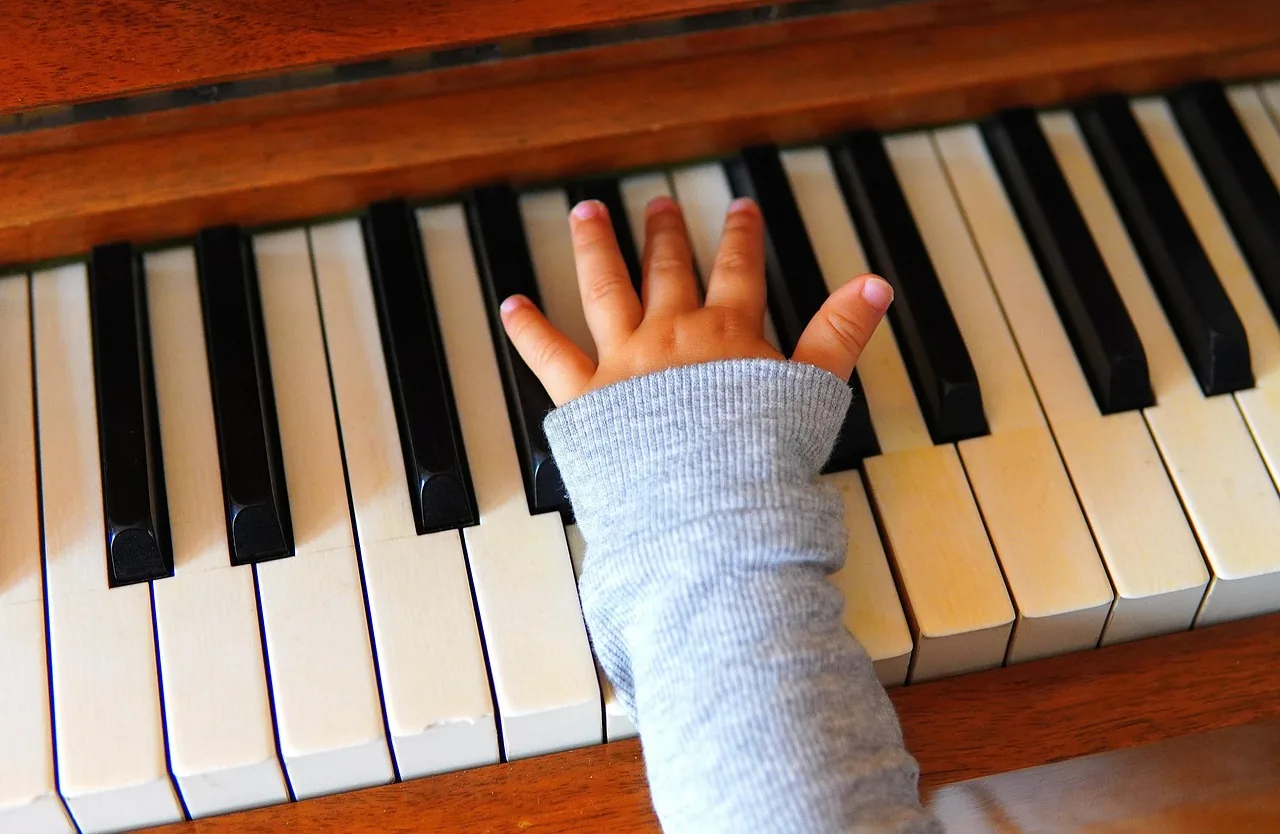
Classical piano compositions are often highly complex, frequently employing polyphony, counterpoint, and independent voices. Classical pianists must also have a thorough understanding of music theory and the structure of classical music to deliver a truly faithful and expressive interpretation.
However, classical music is not reserved for professional pianists. Many amateurs also enjoy playing classical pieces, using the skills and techniques they have acquired to create their own interpretations. Playing classical music on the piano can be a rewarding and fulfilling experience for pianists of all levels.
Pop piano style
The pop style is very popular and can be great fun to play on the piano. The melodies are lively and the rhythms are often catchy, making pop music a perfect choice for anyone looking for a way to relax. Pop songs are often accompanied by piano because it gives the music a more intimate atmosphere.
To play pop music on the piano, it is important to focus on the chords, melodies, and rhythms. Chords are essential for creating the song’s atmosphere, while the melody needs to be easily recognizable. The rhythms should be dynamic to bring energy and excitement to the music.
Many famous pop songs can be played on the piano. For example, Adele’s song “Someone Like You” is easy to learn and play. It uses simple chords and a deeply moving melody. Another popular song is Coldplay’s “Viva la Vida.” It has a catchy melody and inspiring lyrics.
Image: example of sheet music for playing popular music on the piano.
Pop is a constantly evolving musical genre that offers a wide variety of styles to explore. Whether you enjoy 1980s pop, electronic pop music, or pop rock, there is something for everyone.
Pop is a perfect choice for beginner pianists because it is easy to learn and great fun to play. Being able to play a popular song that everyone knows and enjoys can be extremely rewarding.
Other musical styles on the piano
In addition to the jazz, classical music, and pop I have explored, other musical genres can be performed on the piano. Each style has its own characteristics and distinctive elements that make it unique.
Rock, for example, is an energetic and rhythmic style that often emphasizes guitar chords but can also be played on the piano. Contemporary music, meanwhile, is an experimental musical genre that focuses on sounds and textures rather than a traditional melody or structure.
Blues is a soulful style characterized by the use of blue notes that add a touch of sadness and melancholy. Funk, meanwhile, is a musical genre that emphasizes rhythm and a groovy bass line, creating a danceable and catchy sound.
Finally, reggae is a slow-tempo musical style with accents on the beats and syncopated rhythms, creating a relaxed expression that is pleasant to hear. This list is not exhaustive, but it provides an overview of the variety of musical styles that can be played on the piano.

Image source: https://seowriting.ai/32_6.png
Get inspired
By exploring the different musical styles that can be played on the piano, such as jazz, classical, and pop, you can find an endless source of inspiration for your musical creativity. Do not be afraid to experiment with different styles and blend them to create new sounds.
Why not try playing a classical piece with a touch of jazz, or a pop song with a classical twist? The possibilities are endless and can help you create a unique sound that reflects your personal style.
An excellent way to develop your creativity is to create your own pieces. Use the different musical styles as sources of inspiration to create something that feels like you. Remember that music is a personal and unique form of expression, so let your creativity flow freely.
Finally, practice regularly to improve your technique and mastery of each musical style. With practice, you can become a versatile and accomplished pianist, able to play different styles with ease and fluidity.
Conclusion
By exploring the different musical styles of piano, I discovered the wonders of genres such as jazz, classical, and pop. Each brings its own flavor and challenge to the art of piano playing, and I am excited to continue exploring other styles such as rock, contemporary music, blues, funk, and reggae.
I believe diversity is the key to stimulating musical creativity. By mixing and matching different styles, I can create unique and original music that reflects my own personality and tastes. I am delighted to keep experimenting and pushing the boundaries of what I can do with the piano.



0 Comments