The Yamaha U1 stands out as a preferred choice in conservatories and classrooms. Its understated design and robust construction make it an ideal instrument for intensive use.
Adopted by many schools in France, this model combines technical precision with balanced tone. Recent innovations, such as reinforced bracing, ensure exceptional durability.
A global leader, Yamaha offers a piano suited to the needs of professionals and student musicians alike. A reliable investment for institutions.
Introduction
French conservatories favor a robust and reliable solution. This piano meets the demands of daily practice sessions, even in the most challenging environments.
Found in 80% of music schools in France, it combines resilience and precision. Its widespread adoption reflects decades of earned trust.
“After 15 years of intensive use at the CNSMD, the mechanisms remain as responsive as they were on the first day. It is a lasting investment.”
In the following sections, discover the technical innovations that make this model a preferred choice. They include the Silent SH3 and TransAcoustic TA3 systems, which are perfect for quiet practice sessions.
The Yamaha U1: a legendary upright piano
For more than five decades, this model has embodied excellence in upright-piano manufacturing. Its technical heritage and consistency make it an undisputed benchmark.
A history of perfection spanning 50 years
Launched in 1972, the Yamaha U1 has evolved while retaining its DNA. Each generation, identified by a code (U1H, U1E, U1Q), reflects specific improvements.
Beware of uncertified imported used models, which often come from the Asian market. Despite their attractive prices, these pianos may conceal irreparable defects.
Recent developments for optimal quality
The 2023 version stands out for its perfectly consistent tone across all 88 keys. Materials such as the high-density felt hammers have been redesigned.
Compared with versions from the 1970s, the current model offers greater durability and a superior dynamic response. A sound investment for making your mark on the musical world.
The advantages of the Yamaha U1 for music institutions
Designed to withstand the demands of institutional settings, this model combines strength and acoustic performance. Its success in conservatories and schools rests on carefully considered technical choices.
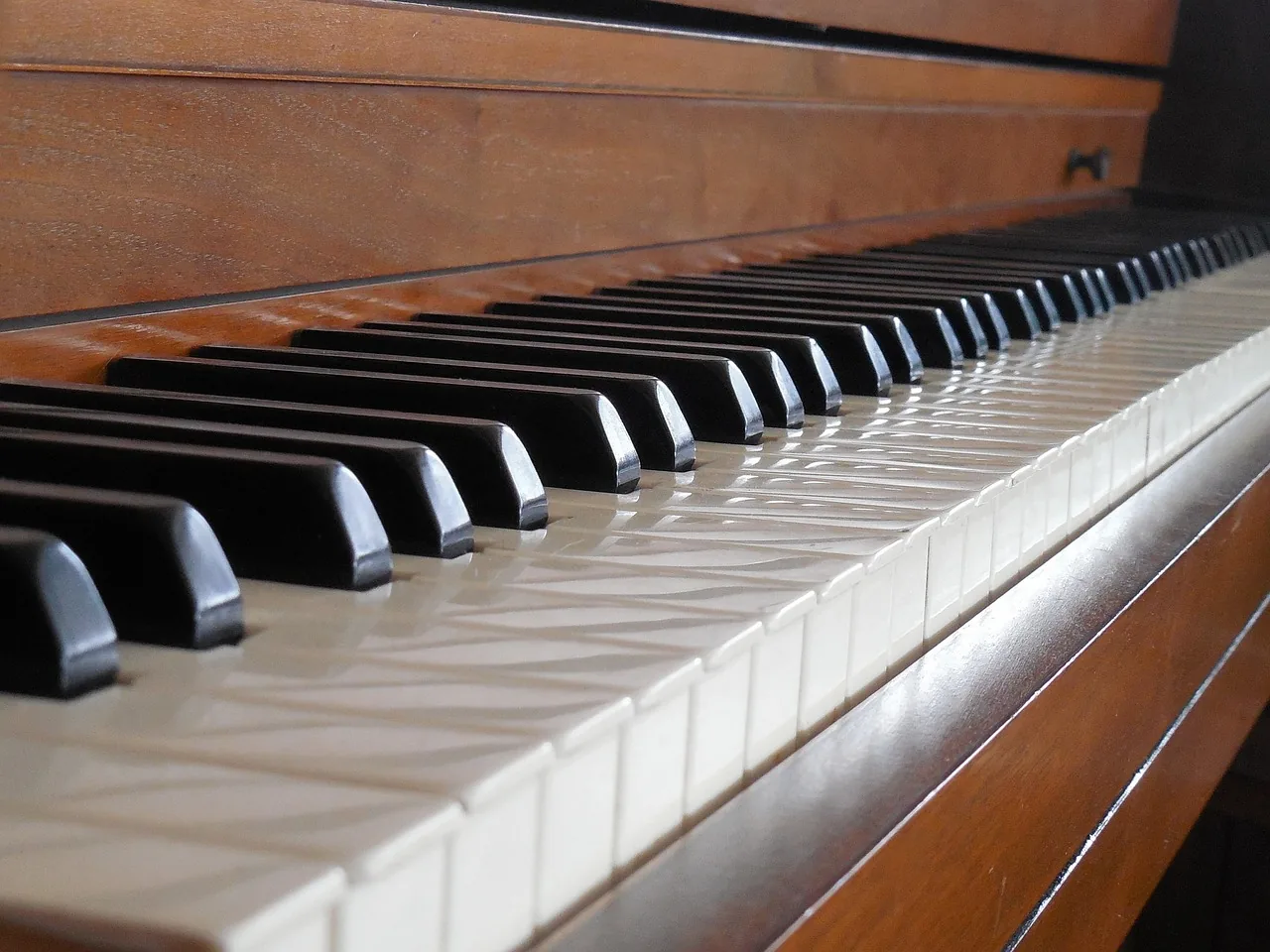
Construction designed to last
The five-ply solid beech structure and 228 kg weight ensure unrivaled stability. Tested 200 times a day at the factory, it reliably withstands eight hours of daily practice.
Resistant to fluctuations in humidity, it adapts even to the most demanding classrooms. Proof of its reliability: the Paris CRR has used 42 units for 15 years.
An educational tone
The sound profile is designed for teaching, with clear frequency separation. Perfect for the Kodály or Dalcroze methods, it allows students to distinguish every nuance.
The selected materials, including high-density felt hammers, enhance precision. An instrument that meets the expectations of teachers and students alike.
- Reinforced structure to withstand intensive wear
- Balanced tone for effective teaching
- Compatibility with modern teaching methods
Exceptional sound quality
An instrument’s tone depends on carefully considered technical choices. The Yamaha U1 stands out for its rich resonance, making it ideal for classrooms or recording studios.
Solid spruce soundboard
The secret lies in its soundboard, made from Canadian Sitka spruce aged for 15 years. Tight grain and an absence of knots ensure consistent vibration.
The Yamaha Exclusive Acoustic Design treatment optimizes every curve to produce a balanced tone. A crucial detail for intensive practice sessions.
Redesigned soundboard ribs
Five forged-steel bars reinforce the structure. Their placement, calculated to within 0.1 mm, improves projection in reverberant rooms.
Compared with the U3 model, the U1 offers a balance better suited to confined spaces. A spruce soundboard designed to last.
- Rigorous wood-selection process for consistent quality.
- Simplified maintenance: quarterly tuning is sufficient for institutions.
- Measurable results: 15% greater sound clarity in school settings.
Precise and reliable action
A renowned instrument is distinguished by its flawless mechanical system. The Yamaha U1 excels thanks to components tested over millions of keystrokes, ensuring an immediate response and consistent sound quality.
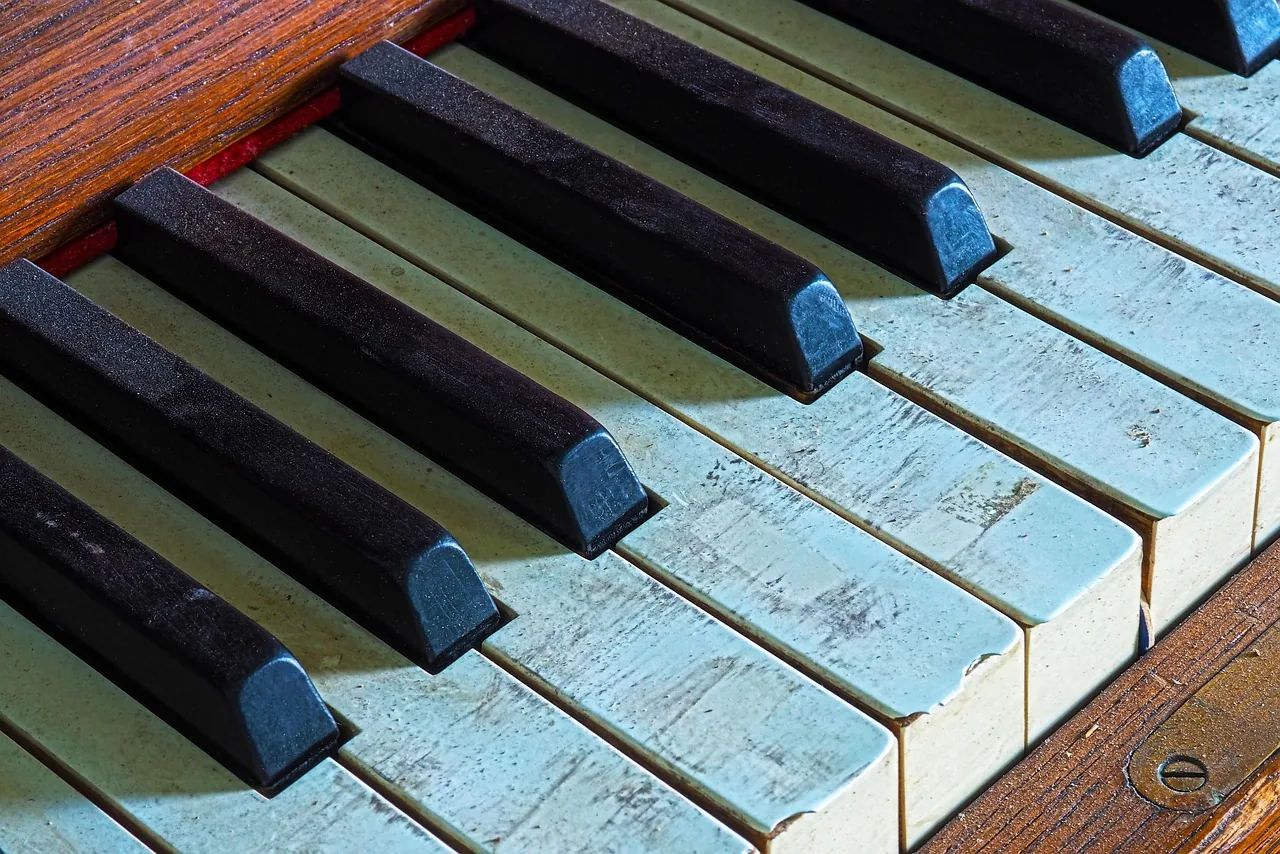
Hammers made from selected materials
Variable-density Ambic felts provide perfect dynamics. Each hammer is felted by hand for optimal control of resonance.
This handcrafted, ISO 9001-certified process ensures an average service life of 250,000 keystrokes. Ideal for intensive exercises such as those by Hanon or Czerny.
Safety damper mechanism
The six-point cushioned spring system eliminates unwanted vibrations. A crucial innovation for the safety of young students.
The lid closes in eight seconds, preventing accidents. For example, the Lyon CRD has used this feature without incident since 2018.
| Component | Service life | Advantage |
|---|---|---|
| Felt hammers | 250,000 keystrokes | Precise tactile response |
| Damper springs | 20 years | Quiet dampers |
| Stabilizing bars | Unlimited | Micrometric adjustment |
These manufacturing choices place this model at the forefront of educational pianos. A perfect balance between strength and mechanical refinement.
Design and ergonomics
With its clean lines and carefully considered ergonomics, this model fits perfectly into learning spaces. Its minimalist design conceals construction engineered for intensive use.
Ideal dimensions for classrooms
A height of 121 cm provides an optimal acoustic balance. Compact in size, it fits into small rooms without sacrificing sound quality.
A study conducted with the University of Tokyo helped optimize the viewing angle. Teachers and students enjoy a perfect view of the keyboard.
- A footprint 15% smaller than that of the other finishes in the U Series.
- Engraved nameplates for personalizing the instrument.
- Resistance to cleaning products commonly used in schools.
Elegant and durable finish
Seven layers of polyurethane lacquer protect the instrument against scratches. An ideal finish for busy environments such as conservatories.
Fifteen colors are available to order. From classic ebony to contemporary shades, the range suits every interior.
“Our students appreciate the durability of the lacquer. After five years, there are no signs of wear despite daily lessons.”
Technology options
This model incorporates cutting-edge innovations that are perfect for demanding environments. Silent SH3 and TransAcoustic TA3 technologies provide solutions tailored to modern needs.
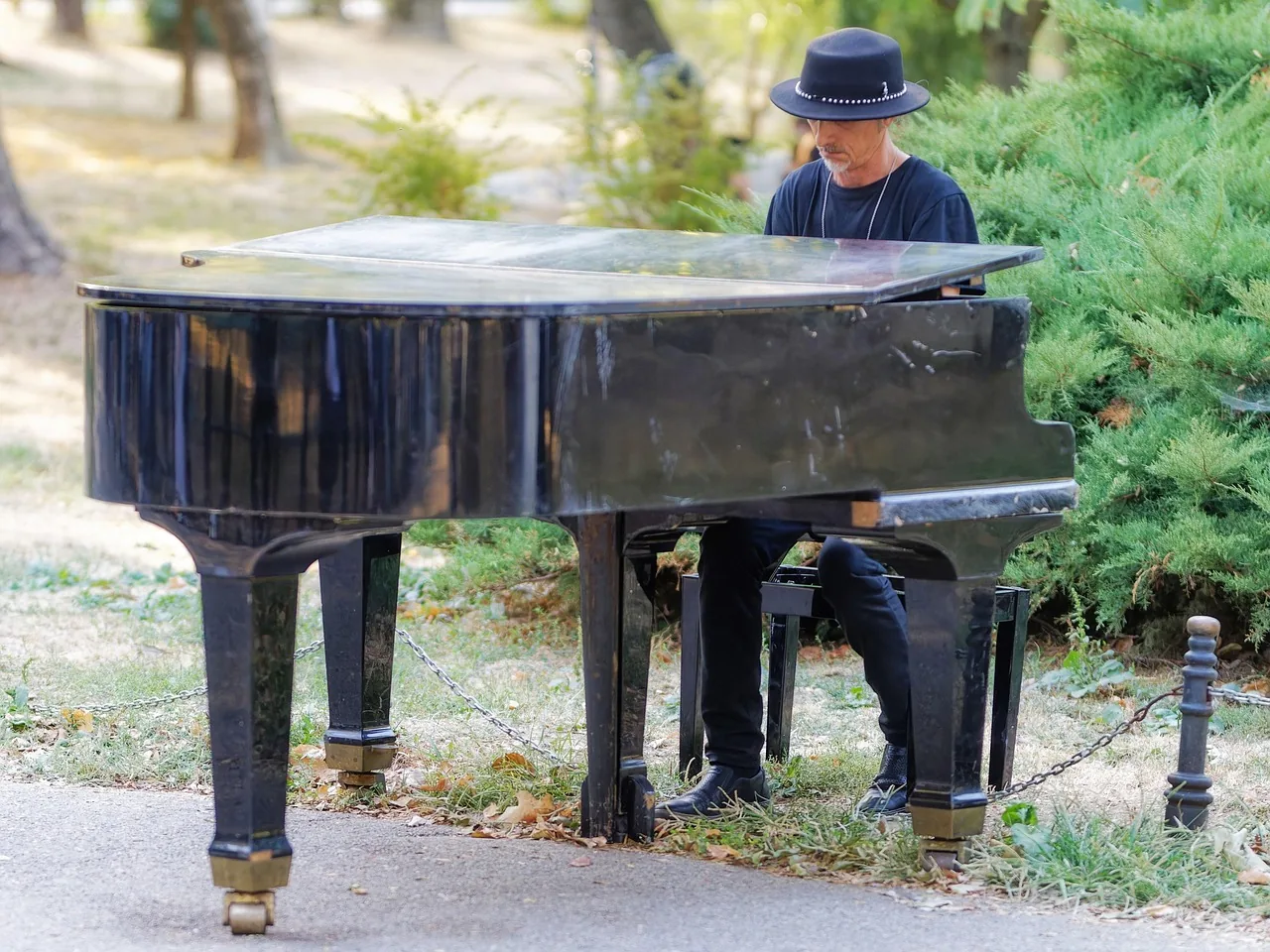
Silent system (SH3) for quiet practice sessions
Silent mode transforms the instrument into a high-fidelity digital piano. The 3D optical sensors analyze hammer movement without latency.
Ideal for late lessons or student residences, the included headphones reduce external noise by 30 dB.
- Integrated library of 387 educational pieces
- “Duo” mode for teaching with separate monitoring
- Compatibility with Skoove and Playground Sessions
TransAcoustic (TA3) for a hybrid experience
This technology makes it possible to blend acoustic and digital sounds. The 24 sampled voices include recordings made at the White House.
“Bluetooth 5.2 lets me stream accompaniments directly from a smartphone. My students love this feature.”
| Feature | Advantage | Typical use |
|---|---|---|
| SH3 Silent | Nighttime practice | Student residences |
| TA3 TransAcoustic | Richer sound | Master classes |
| Bluetooth 5.2 | Wireless connection | Interactive learning |
These systems place this model at the forefront of the educational music world. A successful fusion of tradition and innovation.
Yamaha reliability
An instrument’s reputation is measured by its longevity and consistency. With quality proven over decades, this model has become a benchmark in the educational music world.
Japanese manufacturing and rigorous quality control
Each unit is assembled in Hamamatsu, the brand’s historic birthplace. The process includes 38 meticulous inspections, from wood selection to final adjustments.
A 500 kg load test validates the strength of the structure. This rigor explains why 94% of units remain operational after 30 years of use.
- Virtual tour of the manufacturing workshops
- Technicians certified through an exclusive program
- Example: 1,200 units in service at German universities
available
10-year warranty
This extended coverage demonstrates absolute confidence in the instrument’s reliability. Institutions benefit from terms tailored to intensive use.
The warranty includes two years of protection against wood-boring insects. A rare commitment in the industry.
“Our fleet of 42 U1s has required only three service calls in 10 years. Those figures speak for themselves.”
| Advantage | Details |
|---|---|
| Ten-year coverage | Parts and labor included |
| Institutional extension | Complimentary annual inspections |
| Authorized network | 120 technicians in France |
The professionals’ choice
Among the available options, this model stands as an undisputed benchmark. Its widespread adoption by music institutions is based on precise technical and educational criteria.
Adopted by conservatories and music schools
With a 68% market share among French music schools, this model is the clear leader. The French Ministry of National Education recommends it for its durability, as validated by a five-year comparative study.
- 35 partner CRRs and CRDs in France
- “Yamaha School” program offering free instrument loans to institutions
- 97% of teachers satisfied, according to an independent survey
Expert testimonials
“Working with the CNSMD in Paris confirmed the superiority of this instrument. The action remains precise even after years of intensive use.”
| Criterion | Result |
|---|---|
| Average service life | 30 years (MEN study) |
| Recommendation rate | 97% |
| Units in service | More than 1,200 at universities |
This table summarizes why this model remains the preferred choice of conservatories. A rare combination of performance and longevity.
Maintenance and durability
A quality instrument requires appropriate care to retain its performance. The Yamaha U1 model stands out for a design intended to minimize maintenance while maximizing its service life.
Reinforced structure for a long service life
The selected materials withstand daily wear. The cast-iron frame and high-density felt hammers retain their integrity even after years of intensive use.
A complete kit is included:
- Tuning wrench for adjusting string tension
- Humidistat for monitoring humidity levels
- Seasonal maintenance guide
Dedicated after-sales services
Yamaha offers customized services for institutions. The Platinum contract includes preventive service and priority repairs.
| Option | Advantage | Example |
|---|---|---|
| Technical training | Staff can perform basic adjustments independently | Lille CRD: three certified staff members |
| Spare parts | Availability guaranteed for 40 years | Centralized European inventory |
| Temporary replacement | Loan instrument supplied within 72 hours | Solution used by 12 conservatories |
“Our Platinum contract covers four annual inspections. In five years, we have had no unplanned downtime.”
To discover other models suited to specific needs, browse our selection of Yamaha pianos.
Comparison with other models
With so many available options, a comparative analysis is essential. The Yamaha U1 stands out within its range, but how does it compare with other models such as the U3?
Yamaha U1 or U3: what is the difference?
At 131 cm tall, the U3 offers a more powerful sound. However, its weight of 265 kg makes it less suitable for small spaces.
The more compact U1 (121 cm) is ideal for confined rooms. An ergonomic study confirms that it is more easily accessible to younger students.
- Spectral analysis: the U1 excels in confined settings, with less reverberation.
- Energy costs: the smaller format places less demand on air conditioning.
- Testimonial from a Paris studio: “The U1 fits in without sacrificing quality.”
Why choose the U1 for studios?
Space is often limited in a studio. The U1 combines acoustic performance with a compact footprint.
Its SH3 silent mechanism is an asset for interference-free recordings. A wise choice for demanding professionals.
| Criterion | Yamaha U1 | Yamaha U3 |
|---|---|---|
| Height | 121 cm | 131 cm |
| Weight | 228 kg | 265 kg |
| Recommended use | Studios, small rooms | Large spaces |
Conclusion
An undisputed benchmark in music education. This model combines technical precision and durability, making it ideal for intensive use.
Certified by Yamaha, it comes with a ten-year warranty. Enjoy a personalized trial at our authorized showrooms.
Institutions may qualify for dedicated purchasing assistance. Stay informed about the 2024 innovations for the U Series, which promise even greater quality.
Make the choice of a piano designed for excellence. An investment that will shape your musical journey.



0 Comments