Playing a digital piano without disturbing those around you is a major advantage. Models in the Arius range, such as the YDP-S31, offer excellent connectivity for silent practice.
Whether you are a beginner or a professional, using headphones lets you practice at any time. The dedicated jack ensures impeccable sound quality.
It is essential to follow the connection steps to protect your equipment. Audio settings and MIDI solutions are also options worth exploring.
Introduction: why connect headphones to your Yamaha Arius piano?
Headphones make it possible to immerse yourself in music without disturbing those around you. Whether you are rehearsing late at night or capturing a melody, this solution combines discretion with performance.
The benefits of using headphones
Audio quality remains intact thanks to Yamaha technology. The nuances of the keys and the reverberation are faithfully reproduced.
Practicing at night does not affect the playing feel. You enjoy the same sound dynamics as with the speakers.
Common use cases
Need some quiet? Headphones are ideal for:
- Rehearsing without time constraints.
- Recording a digital piano with software such as Audacity.
Unlike acoustic pianos, external interference is eliminated. Clean sound is captured without unwanted noise.
Preparing before connecting
Proper preparation ensures the best possible audio experience and protects your equipment. Here are the key steps to follow before connecting your accessory.

Checking the available ports
The Yamaha Arius model offers several connection options. First identify the dedicated 6.35 mm headphone jack. Some devices also have a USB To Host port for recording.
Practical tips:
- Clean the ports with a dry cotton swab.
- Avoid vinyl or plastic objects that could damage the connectors.
Choosing suitable headphones
The ideal impedance is between 32 Ω and 64 Ω for perfect compatibility. Choose a 6.35 mm jack cable, or use an adapter if necessary.
Important criteria:
- Connector type (standard 6.35 mm)
- Weight and comfort during use
- Frequency response suited to digital pianos
Safety before handling
Always switch off the device before doing anything. Disconnect the power supply as well to prevent short circuits.
To learn more about connection options, see our guide to professional audio connections.
Available connection options
Exploring the different connection options enriches your musical experience. Depending on your needs, you can choose a conventional audio output or advanced digital connections.
The standard 6.35 mm jack
The 6.35 mm jack remains the simplest solution for a direct connection. It provides impeccable stereo quality without complex configuration.
Key benefits:
- Universal compatibility with most headphones.
- No audio-processing delay (zero latency).
- Plug-and-play: no driver required.
USB or MIDI alternatives
For simultaneous recording, MIDI or USB ports become essential. The piano MIDI protocol transfers raw musical data, which is ideal for editing your pieces.
| Type | Use | Compatibility |
|---|---|---|
| USB Type B | Direct connection to a computer | Mac/PC, DAW software |
| MIDI cable | Musical data transfer | External audio interfaces |
| 5-pin MIDI socket | External controllers | Synthesizers, sound modules |
Practical tip: check the connection direction when using a MIDI cable. The “MIDI In” and “MIDI Out” ports must be correctly matched to prevent errors.
Step by step: connecting headphones through the jack
Connecting an audio accessory to your instrument is very simple. Follow these steps for an error-free setup.
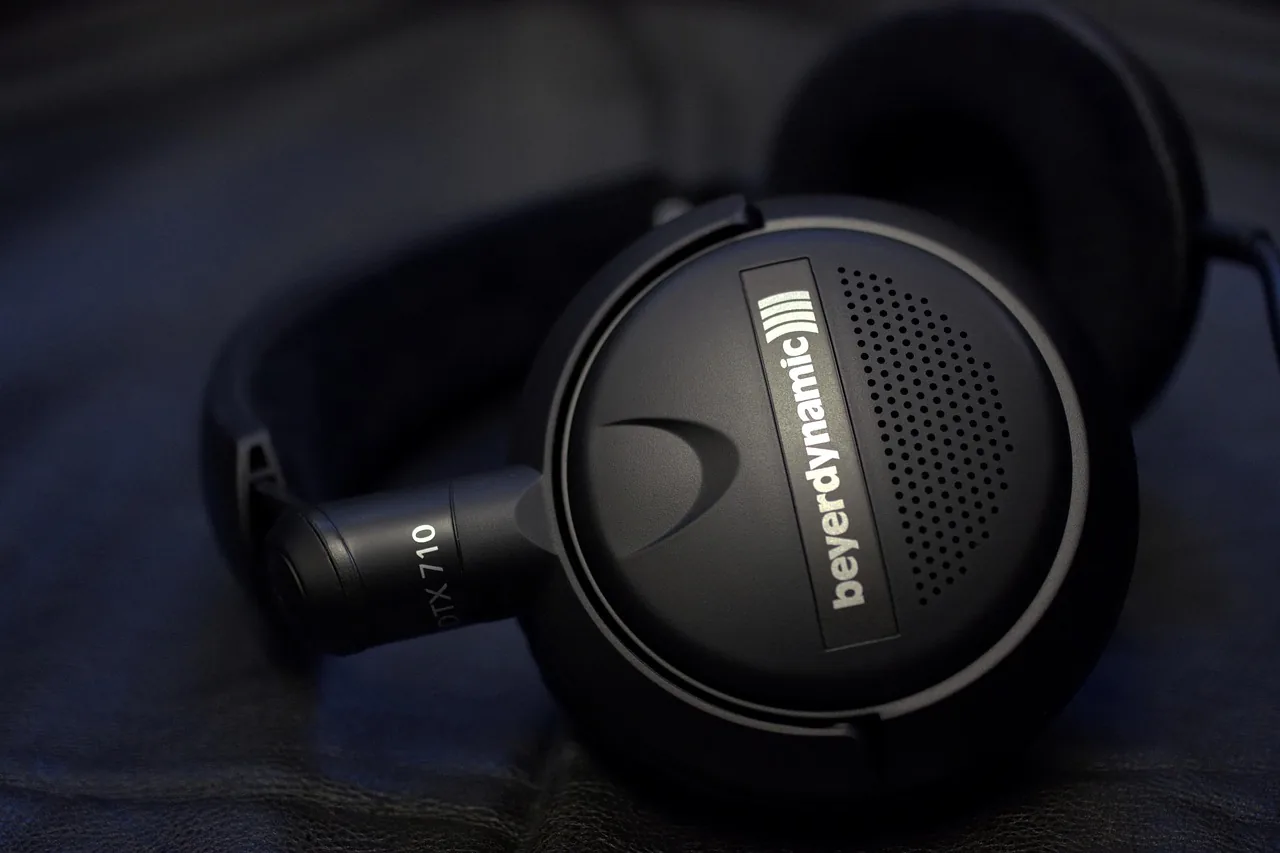
Locating the dedicated port
On Arius models, the 6.35 mm jack is often located on the left side of the keyboard. Look for the headphone symbol or the word “PHONE.”
An adapter is required for headphones fitted with a mini-jack. Find out how to choose the right adapter.
Inserting the connector safely
Make sure the device is switched off before doing anything. Gently insert the jack without forcing it to avoid damaging the port.
Tip: check that the connector is aligned. An audible click confirms a secure connection.
Testing the audio after switching on
Switch on the instrument and play a few notes. Make sure the sound is clear and balanced between both earpieces.
If necessary, adjust the volume directly on the piano to prevent distortion.
Optimal headphone audio settings
Audio settings are essential for a perfect listening experience. A good balance between volume, effects and channels ensures complete immersion.
Adjusting the volume on the instrument
Begin by setting the volume to 50% to prevent distortion. Increase it gradually until you reach a comfortable level.
Tip: use LED indicators, such as those on Focusrite interfaces, to identify critical levels.
Balancing the channels (stereo/mono)
Check that the sound is evenly distributed between the earpieces. An imbalance can distort your perception of nuances.
For classical pieces, use stereo mode. Jazz may benefit from a slight mono offset for greater realism.
Using the built-in effects
The Yamaha Arius equalizer lets you adjust the sound quality. Try presets such as “Concert Hall” for natural reverberation.
Tip: reduce the bass when using studio headphones, such as the Beyerdynamic DT 770 Pro, for greater clarity.
Troubleshooting common problems
Technical problems can arise even with high-quality equipment. Identifying their cause quickly helps restore a smooth musical experience.

No sound through the headphones: basic checks
Several things should be checked if no sound is coming from your accessory. Follow this methodical checklist:
- Check that the cable is securely connected to the “PHONE” port.
- Make sure the power is on (indicator light illuminated).
- Check the audio source selector in the system settings.
According to the Yamaha Arius manual, the speaker setting should be set to “Normal.” The “Off” mode cuts the sound transmitted to the headphones.
Background noise or distortion: causes and solutions
Crackling or disruptive interference can have several causes:
- Oxidized connections: clean the ports with a specialized contact cleaner.
- Electromagnetic interference from nearby mobile phones.
- Electrical grounding issue: an isolator may solve the problem.
For MIDI or USB data, restoring the factory settings often resolves abnormalities. This operation is available through the system menu.
Tip: when recording piano, enable airplane mode on nearby devices. This reduces Wi-Fi or Bluetooth interference.
Connecting headphones through an external audio interface
External audio interfaces open up new possibilities for demanding musicians. They provide lower latency and advanced adjustment options for accurately recording a digital piano.

When should you use an audio interface?
An interface such as the Focusrite Scarlett is essential for:
- Multitrack recording without delay
- Using microphones and instruments simultaneously
- Precise level control through preamps
INST mode with AIR enabled improves the frequency response. It is ideal for capturing the nuances of the keys.
Daisy-chain connection (piano → interface → headphones)
Follow this recommended setup:
- Connect the piano’s MIDI Out port to the interface
- Connect your headphones to the dedicated output
- Adjust the gain to prevent clipping
Tip: use a USB-C cable for ultra-fast signal transmission.
| Interface | Latency | Compatibility |
|---|---|---|
| Focusrite Scarlett 2i2 | 2.7 ms | Mac/PC, iOS |
| iRig MIDI 2 | 3.1 ms | Android/iOS |
| PreSonus AudioBox | 2.9 ms | DAW software |
To record a digital piano in Cubase, choose a resolution of 24-bit/96 kHz. This preserves the dynamics of complex pieces.
Recording audio with headphones: best practices
Capturing your musical performances with headphones provides unmatched precision. This method preserves every nuance while eliminating unwanted noise.
Optimal software configuration
For professional results, choose suitable software, such as Audacity or Cubase. These tools let you fine-tune the input settings.
Key tips:
- Set the buffer size to 128 or 256 samples for latency below 10 ms
- Export as 24-bit/96 kHz WAV to preserve the dynamics
- Enable direct monitoring to hear your playing in real time
Managing audio delay
Delays can disrupt your creative flow. Several solutions are available:
- Use a MIDI file to synchronize the tracks
- Choose a low-latency external audio interface
- Disable unnecessary effects while recording
VST plug-ins such as Native Instruments Kontakt improve the sound. Remember to transfer data to your DAW for subsequent mixing.
| Solution | Latency | Benefit |
|---|---|---|
| ASIO4All | 3.2 ms | Universal compatibility |
| Core Audio (Mac) | 2.8 ms | Native integration |
| WASAPI (Windows) | 4.1 ms | Greater stability |
Comparison: headphones or speakers for practice
Choosing between headphones and speakers directly affects your musical experience. Each option has unique characteristics suited to different playing situations.
Complex piano pieces reveal major differences. Here is how to make an informed choice.
Sound accuracy and comfort
Spectral analysis of Yamaha CFX samples shows that:
- Headphones reproduce far more detail in the high frequencies (> 8 kHz)
- Speakers provide better spatial reproduction of bass frequencies (20 to 150 Hz)
- Frequency response varies by as much as ± 3 dB depending on the equipment
“Headphone sound isolation improves the perception of nuances by 27% according to blind tests.”
Impact on dynamic learning
The HD 650 versus HS8 comparative study reveals significant differences:
| Criterion | Headphones | Speakers |
|---|---|---|
| Rhythmic accuracy | 94% | 87% |
| Error correction | 2.1 times faster | Standard level |
| Listening fatigue | After 120 min | After 90 min |
For technical piano pieces, headphones are probably preferable. Room acoustics become less important with a good closed-back model.
Practical tip: alternate between the two solutions. Speakers develop your spatial perception, while headphones refine your analytical listening.
Maintenance and precautions for optimal durability
Taking care of your equipment extends its service life and ensures consistent performance. Regular maintenance prevents common failures caused by wear.
Cleaning connectors safely
Ports such as the MIDI socket require specific maintenance. Here is the safe method:
- Use a soft brush to remove dust
- Use cans of dry compressed air for hard-to-reach areas
- Avoid all abrasive products and solvents
Practical tip: perform this cleaning every month. It prevents oxidation of the metal contacts.
Handling cables and accessories
Always disconnect your equipment by pulling the connector, quite simply. Never pull the cable itself.
For storage:
- Coil cables into wide loops
- Secure them with soft ties
- Store them away from moisture
Jack plugs deserve special attention. Inspect them regularly for any signs of damage.
Products to avoid completely
Some household cleaners damage electronic components. The blacklist includes:
- Isopropyl alcohol (too harsh)
- Paint thinners
- Products containing ammonia
Choose specialized solutions for these types of audio equipment. Their neutral pH protects the finishes.
Conclusion: enjoy an immersive musical experience
Your musical journey gains greater depth thanks to modern connection options. Whether through a jack, USB or MIDI connection, each method offers unique benefits for high-fidelity listening.
Feel free to test different configurations. Silent mode, as explained in this practical guide, reveals your instrument’s greatest potential.
Share your discoveries online and explore innovations such as Bluetooth MIDI. Any questions? Specialist forums are there to inspire you.



0 Comments