Hello everyone! I am a journalist specializing in copywriting, and today I am going to discuss the different methods of learning the piano. If you are interested in learning the piano, you have probably heard about the two main options: traditional in-person instruction and online learning. In this article, I will examine the advantages and disadvantages of each method and help you determine which one might suit you best.
To begin, let us look at the two methods of learning the piano. Traditional instruction involves attending piano lessons in person with a qualified teacher. Online learning, meanwhile, allows students to learn the piano at their own pace using online courses, video tutorials, and interactive platforms. Let us explore these two methods in greater detail in the following sections.
Traditional Piano Instruction
The first type of piano learning method I experienced was traditional instruction. This method includes in-person lessons with a music teacher, as well as the use of instructional books.
During the in-person lessons, the teacher taught me the basics of music theory and notation and guided me through various technical exercises. Instructional books, meanwhile, offer exercises that can be practiced outside lessons to improve the skills acquired during class.
| Advantages: | Disadvantages: |
|---|---|
| – Personalized guidance – Real-time feedback – Structured curriculum |
– High costs – Limited flexibility in lesson times – Need to travel to the teacher |
Although traditional piano instruction offers personalized guidance and immediate feedback, it can be expensive and inflexible for people with busy schedules. Students may also struggle to find the time and money needed to travel to the lesson venue. For some people, however, the advantages of traditional instruction outweigh the disadvantages.
Nevertheless, I found that traditional instruction had given me an excellent start in learning the piano by providing a solid foundation of technical and theoretical skills.
I also realized that this method was not suitable for everyone. Some people prefer the flexibility of online learning, while others cannot afford traditional instruction or prefer to learn at their own pace.
Advantages of Traditional Instruction
I find that traditional piano instruction offers many advantages that online learning cannot match.
First, in-person piano lessons provide personalized guidance from the teacher. The teacher is there to correct mistakes and offer advice in real time, which is essential for making rapid progress.
In addition, traditional piano lessons provide a structured learning environment. Teachers can guide you through specific exercises and pieces, while instructional books provide additional information to help you understand key concepts.
Finally, traditional piano lessons also allow you to become part of a community of sorts. You can meet other students who share your passion for music and even take part in concerts and events to showcase your skills on stage.
All these advantages make traditional piano instruction an excellent option for people who want to learn the instrument thoroughly and professionally.
Limitations of Traditional Instruction
Despite the advantages of traditional instruction, this method also has limitations. First, it can be expensive, especially if you have to pay for individual lessons with an experienced teacher. Lesson times also offer little flexibility because they are often set by the teacher. Furthermore, traveling to the place where the teacher gives lessons can be difficult, which may pose a problem, particularly for younger students.
Finally, finding the right music teacher can be difficult because a good relationship with the teacher is necessary to thrive as a musician. You often need to try lessons with several teachers before finding the person who suits you best.

The key to finding the right traditional piano teacher is choosing someone who understands your playing style and can give you personalized advice to improve your skills.
Learning the Piano Online
If you are looking to learn the piano online, you have access to a variety of resources, ranging from live classes to prerecorded tutorials.
Lessons may be delivered through online learning platforms, where you can learn with a piano teacher in real time. Prerecorded tutorials are also available on sites such as YouTube, allowing you to learn at your own pace.
| Advantages | Disadvantages |
|---|---|
| * Greater scheduling flexibility
* Lower costs than traditional lessons |
* No in-person guidance
* Potential technical problems * Need for self-discipline |
When learning the piano online, you can benefit from greater scheduling flexibility because you can learn whenever you wish, whether early in the morning or late at night. Costs are also often lower than those of traditional piano lessons because you do not have to pay travel expenses or classroom rental fees.
However, it is important to note that online learning can also have disadvantages. For example, it can be difficult to receive personalized guidance and individual encouragement when learning online. Technical difficulties, such as Internet connection problems, can also create obstacles.
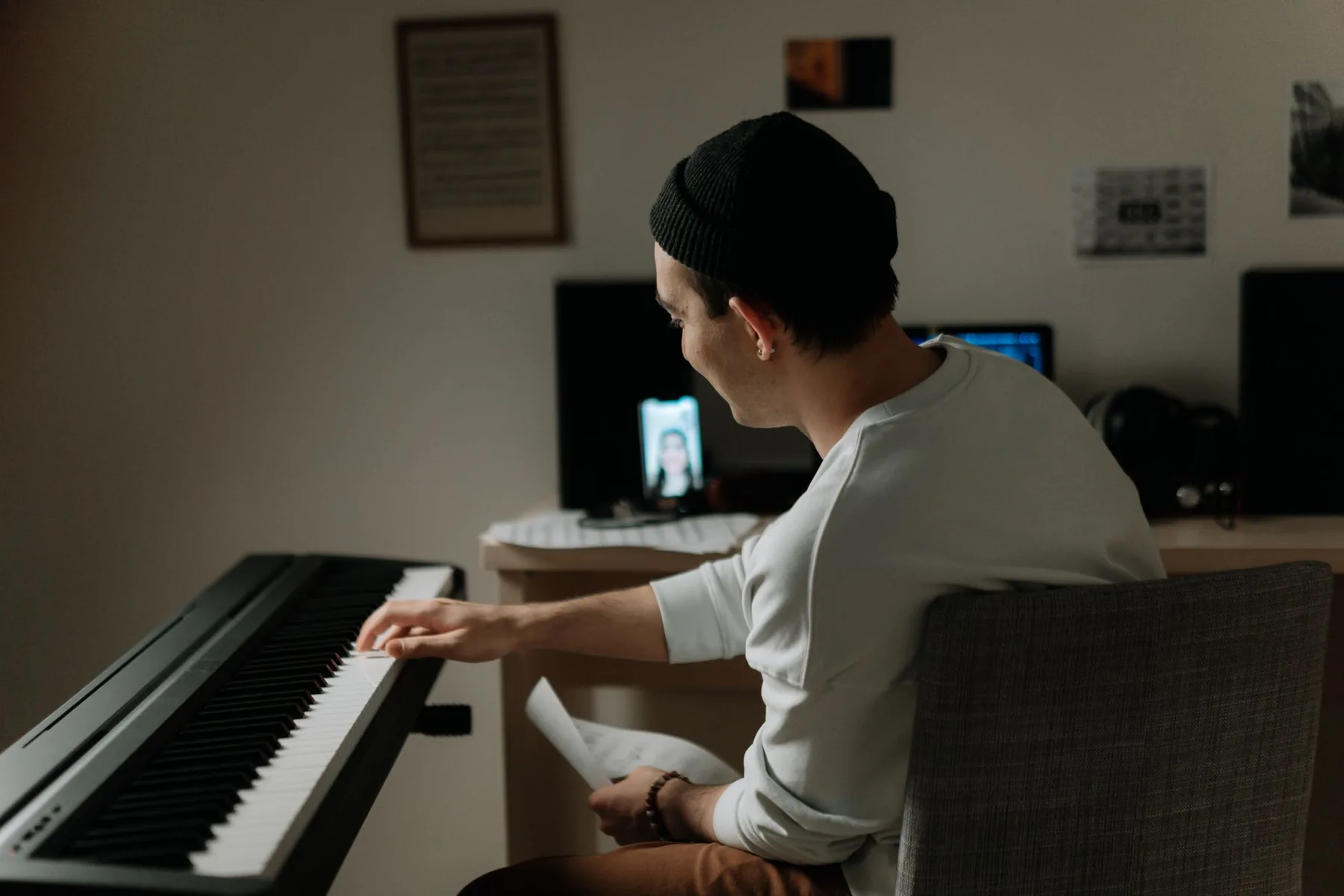
Ultimately, the choice of piano learning method depends on many factors, such as time, budget, motivation level, and availability. Whether you choose traditional piano lessons or online instruction, it is important to remain disciplined, practice regularly, and enjoy learning the piano.
Advantages of Online Learning
I find that learning the piano online offers many advantages. First, it provides a great deal of scheduling flexibility. You can take lessons at any time of day, or even at night if you wish. This makes it easy to adapt your learning to your schedule and balance it with other commitments.
Another advantage of online learning is its cost. Online music lessons are generally less expensive than traditional lessons. Furthermore, there are no travel expenses for visiting a teacher.
I also find the resources available for learning the piano online very useful. Online piano tutorials are often very well designed and can help you progress quickly. In addition, online learning platforms offer a wide variety of resources, ranging from practical exercises to theory lessons.
Finally, one of the main advantages of learning the piano online is the ability to work at your own pace. There is no pressure to finish a course within a particular period, and you can repeat lessons as many times as necessary.
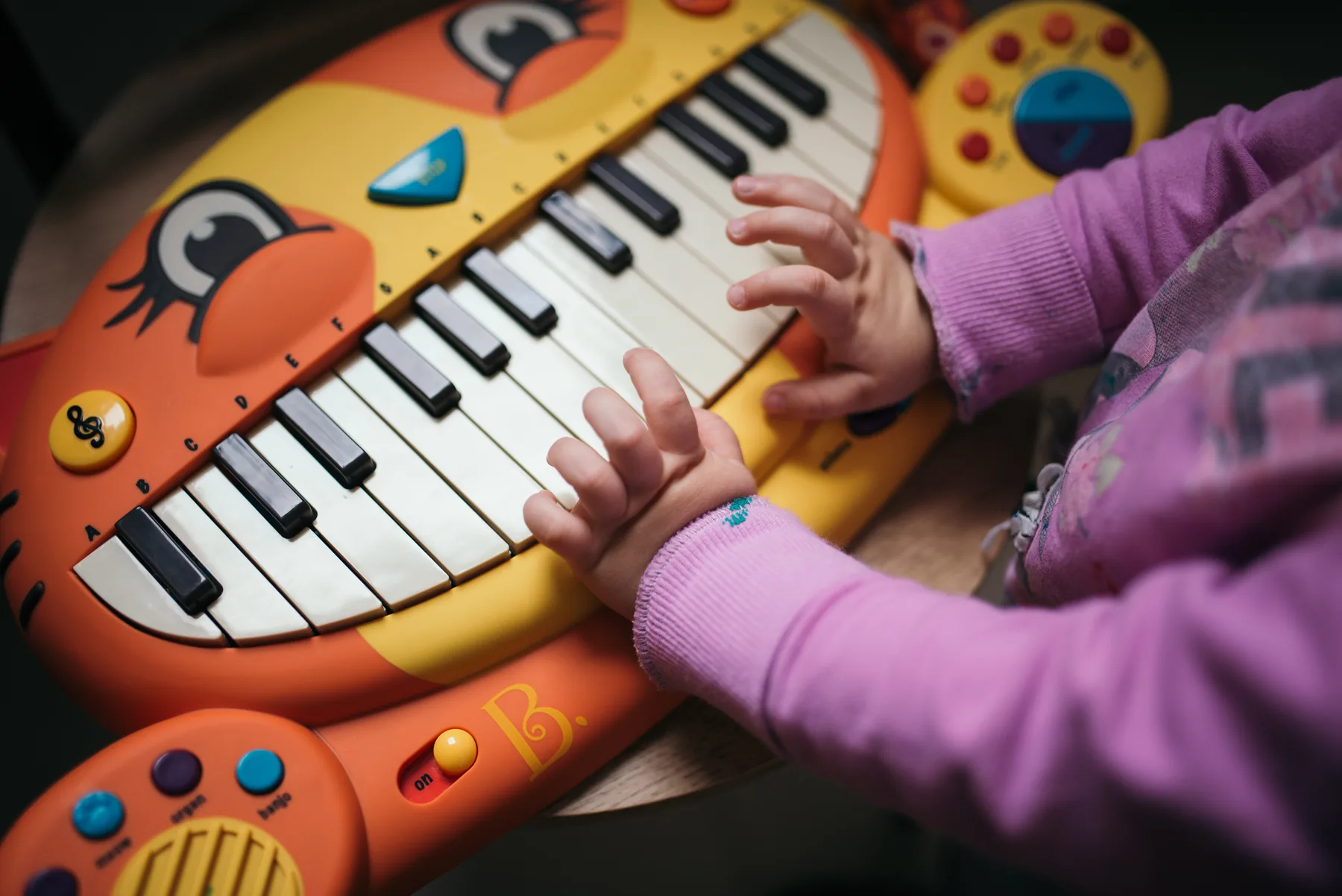
In short, learning the piano online offers great flexibility, lower costs, and a wide variety of educational resources. Of course, the choice will depend on your personal preferences and learning style, but for me, online learning is the best option.
Limitations of Online Learning
Despite the many advantages of online learning, there are also limitations to consider. First, the lack of direct contact with a teacher who is physically present can be an obstacle for some learners. A teacher can more easily correct posture, technique, and finger position when physically present. In addition, some learners may need this direct contact to remain motivated.
Technical problems can also be an obstacle for some people. If learners encounter technical difficulties with their equipment or the software used for online lessons, this can disrupt learning and lead to a loss of time and money.
Finally, online learning requires a great deal of self-discipline. Without the structure of a regular lesson schedule, it can be easy to become distracted and postpone practice sessions. This can slow progress and hold back learners who need the discipline imposed by an in-person teacher to stay on track.
Nevertheless, despite these limitations, I believe online learning can be a very practical option for many learners. It can be less expensive, more flexible, and provide access to a wide variety of educational resources. It all depends on each person’s preferences and needs.
Conclusion
In summary, there is no simple answer to whether traditional piano instruction is better than online learning, or vice versa. Both methods have their advantages and disadvantages. Depending on your needs, schedule, and budget, one option may suit you better than the other.
If you are looking for personalized instruction with real-time feedback, traditional teaching may be more appropriate for you. However, if you are more independent and want flexibility in when and where you learn, learning the piano online could be the ideal solution.
Ultimately, your choice will depend on your goal and personal learning style. Whichever method you choose, make sure you practice regularly, stay motivated, and enjoy every moment you spend playing the piano.


0 Comments