Buying a second-hand piano can save you a substantial amount without sacrificing sound quality. A good choice gives you access to a reliable instrument for daily use.
Classified-ad websites are full of opportunities. However, you must remain vigilant to avoid unpleasant technical surprises.
Before making any decision, set a precise budget that covers the purchase price and additional expenses. Remember to account for transport, maintenance and possible repairs.
This guide details the essential checks for assessing the condition of the electronic components and keyboard mechanism. This will help you find a model suited to your playing that will remain reliable over time.
Why choose a used digital piano
A used instrument can sometimes give you access to a higher-end model for the same price. This means that, on a limited budget, you can find models with more features than new entry-level instruments.
The second-hand market offers great variety, from compact keyboards suitable for apartments to imposing models intended for large spaces. By comparing listings, you can identify well-maintained units at reasonable prices.
A properly maintained instrument can have a remarkably long life. It can sometimes rival the sound quality and feel of a recent acoustic piano. It is a sensible choice for beginners and experienced musicians who want to invest without breaking the bank.
To refine your purchase, consult a buying guide and an article about choosing your first instrument. These resources help you compare models, prices and condition.
Used digital piano: what to check before buying
Before completing any transaction, a thorough inspection protects your future instrument from unexpected costs.
Start with the technical aspects: test every key, check the dynamic response and operate the pedals. A hidden fault can impair playing quality and lead to expensive repairs.
Check the maintenance history: ask for invoices and find out about the storage environment. An instrument kept away from humidity is likely to be in more stable condition and last longer.
Also check the electronic features—connections, effects and polyphony—to ensure that the asking price reflects the used piano’s actual value.
Finally, examine the tuning and final adjustments. Although tuning is less relevant to this type of instrument, it remains a useful indication of overall condition, especially for an upright piano. Do not hesitate to request an extended trial before confirming your choice.
“A careful inspection today prevents expenses tomorrow.”
Inspecting the exterior condition and structure
Carefully examining the exterior and structure prevents many unpleasant surprises when you begin using the instrument. A simple inspection provides clues about its maintenance and wear.
Cabinet and finish
Check the wood for any signs of humidity or cracks. Superficial scratches are acceptable, but deep damage may require extensive repairs.
Examine the soundboard if it is accessible: even on an upright or grand piano, its general condition affects sound quality and longevity.
Stand stability
Make sure the stand and legs provide perfect stability. An unstable structure accelerates internal wear and makes transport more difficult.
- Check for deformation caused by humidity.
- Confirm that the fasteners and joints are not loose.
- Estimate the repair cost for any significant damage.
| Component | What is acceptable | Warning signs |
|---|---|---|
| Cabinet | Superficial scratches | Cracks, blistering, moisture |
| Stand | Stable legs with no looseness | Unstable structure, missing screws |
| Soundboard | No visible cracks | Deformation, water marks |
For a more thorough pre-purchase inspection, consult a used-piano buying guide.
“A precise exterior inspection often reveals an instrument’s hidden history.”
Assessing the keyboard and key mechanism
A careful inspection of the key mechanism ensures an even touch. Test every key slowly and then quickly to identify silent notes, sticking or irregular response.
Look for wear: worn felts or sensors indicate intensive use. This reduces the precision of the touch and may require an expensive replacement.
Check the visual alignment of the keys. An offset or tilt often indicates stress on the frame of an upright or acoustic piano.
Also inspect the soundboard and strings. Cracks or oxidation indicate poor maintenance and affect the model’s longevity.
A good keyboard should provide consistent resistance. Every note should be clear and articulate, without major differences between registers.
“A well-adjusted keyboard is the first sign of a reliable instrument.”
- Test the keys slowly and quickly.
- Check the wear on felts and sensors.
- Check the alignment and look for cracks.
| Component | What is acceptable | Warning signs |
|---|---|---|
| Keys | Uniform response, no sticking | Silent notes, snagging |
| Felts and sensors | Light wear | Heavy wear, faulty sensors |
| Alignment | Well-aligned keys | Unevenness, tilting |
| Soundboard and strings | No cracks or oxidation | Cracks, rusty strings |
Evaluating sound quality and speakers
Listening to the instrument under real-world conditions quickly reveals its true sound. Start by playing pieces across the full range. The sound should be even, with no crackling from the speakers.
Headphone test
Test the headphone output to check its clarity and ensure there is no interference. Clean headphone audio often confirms the quality of the internal electronic components.
Also check playback through the speakers. Abnormal vibrations or a loss of tone indicate wear or a defect. On an upright or grand piano, notes should remain rich and precise, without unwanted resonance.
The speakers’ overall condition can indicate prolonged use at high volume. Damaged cones or a constant hiss reduce the instrument’s value and increase repair costs.
Finally, inspect the soundboard and strings whenever possible. These components affect tuning and the fidelity of the reproduced sound. A well-maintained instrument provides a faithful playing experience and commands a better resale price.
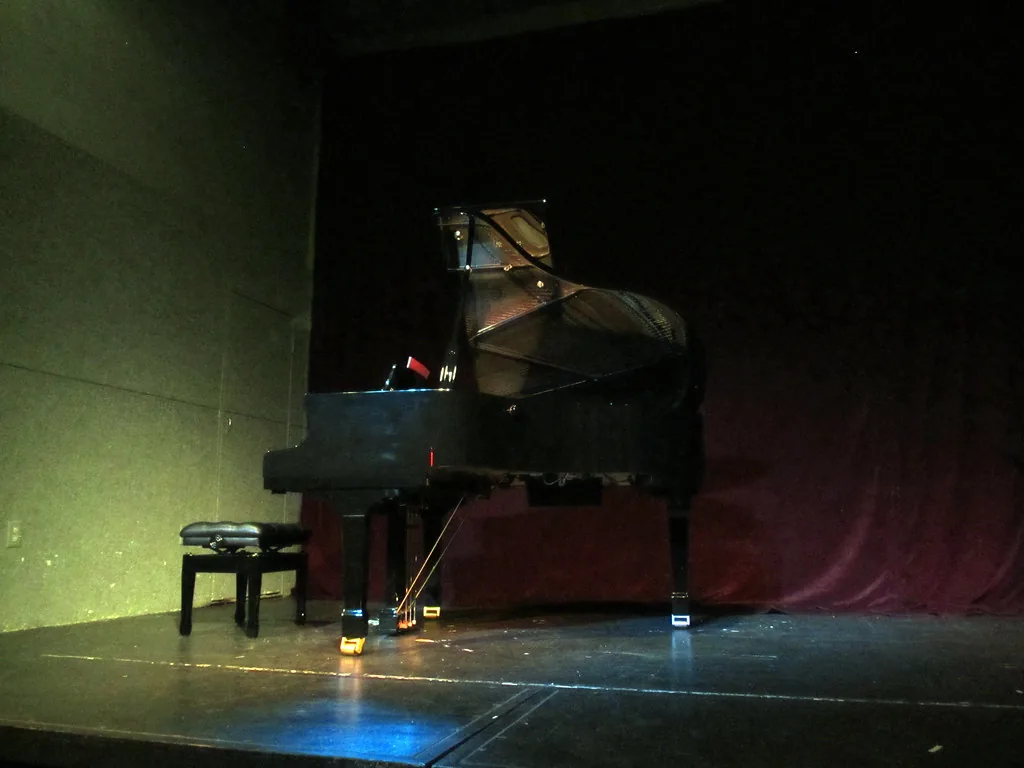
“Sound quality often reveals what the eye cannot see.”
- Even sound across the full range.
- Headphone output free of interference.
- Speakers and strings without abnormal vibrations.
The importance of polyphony and electronic features
When playing modern or Romantic works, the ability to handle many notes simultaneously is crucial.
Polyphony for complex pieces
Polyphony of at least 64 notes is recommended to preserve expressiveness when using sustain.
Advanced models often provide 128 or 256 notes, which is useful for dense pieces and recording sessions.
Basic functions
Test the metronome, reverb and effects. These functions should respond without latency or dropouts.
- Polyphony of 64, 128 or 256 notes prevents notes from being cut off during a chord or arpeggio.
- A quality keyboard should preserve every note in a chord and provide a precise touch.
- Check the built-in sounds for bugs that could indicate electronic wear.
- Confirm that the menus and connections remain stable for dependable long-term use.
“Polyphony and electronic responsiveness often make the difference between a good instrument and a frustrating one.”
Connectivity and compatibility with modern software
Integrating an older instrument into a modern home studio requires more than a simple sound test. USB and MIDI connectivity remain essential for connecting your keyboard to a computer, sequencer or learning application.
Test every port: connect a MIDI or USB cable and verify communication with a DAW or notation program. An unreliable port can make the instrument unstable to use and reduce the value of your purchase.
If the device has Bluetooth, check the stability of the connection during playback and recording. A dependable connection makes it easier to stream sheet music and use educational apps.
Also examine the audio jacks for external speakers: an intermittent connection disrupts sessions and increases the risk of wear. Finally, make sure the model is compatible with Windows, macOS or iOS so that you retain room to expand your setup.
For a complete package with proven compatibility, consider a recommended model such as the Roland FP‑E50 Pack, which is regularly praised for its connectivity and stability.
Selecting the most reliable brands and models
Choosing a recognized manufacturer reduces the risks associated with wear or unavailable parts. This strategy simplifies maintenance and preserves the instrument’s resale value.
Market leaders
Yamaha, Roland, Casio and Kawai dominate the market thanks to their durability. These brands offer spare parts and have reassuring reputations.
Popular models
Sought-after models include the Yamaha P-125 and Roland FP-30. The Casio Privia PX-160 and PX-770, along with the Kawai ES110, are also valued for their touch and sound.
Why favor major brands
Choosing a major brand makes it easier to obtain parts and updates. Better build quality reduces the risk of frequent repairs.
- Greater durability and better resale value.
- Spare parts that are easy to find.
- Stable keyboard and electronic performance over the long term.
| Brand | Model | Main advantage |
|---|---|---|
| Yamaha | P-125 | Balance between touch and sound, good resale value |
| Roland | FP-30 | Polyphony and realistic touch simulation |
| Casio | PX-160 and PX-770 | Good value for money, reliability |
| Kawai | ES110 | Natural touch, refined mechanism |
“Favoring a recognized brand can provide valuable peace of mind when making your purchase.”
The impact of age and storage conditions
An instrument’s age and previous storage conditions largely determine its overall condition.
A model that is five years old or newer often offers better compatibility with modern features and limited wear. This also reduces the risk of unexpected repairs after purchase.
Temperature fluctuations and humidity damage wood and electronic circuits. Prolonged exposure causes swelling, corrosion and tuning instability.
Always ask the seller for the instrument’s history. A precise account of its storage conditions helps you assess its quality and price. An honest seller can provide reassurance about the maintenance performed during the period of use.
Regular maintenance prolongs component stability and limits wear. Check service invoices and the frequency of technical inspections.
“Good maintenance today prevents expensive repairs tomorrow.”
To choose a reliable brand or compare models before buying, consult our guide on which brand to choose.
Comparing purchases from professionals and private sellers
Professional or private seller: each option presents distinct financial advantages and technical risks.
When buying from a professional, the instrument often undergoes a complete service. A five-year warranty is common. This protects the investment and may cover tuning, the mechanism and the condition of the strings.
When buying from a private seller, the price is generally more attractive. However, the lack of a warranty makes the purchase riskier. You must check the history with the seller and thoroughly test the keyboard and electronics.
Advice from a store can help you choose between an upright and a grand piano based on your needs and available space. Transport is also better organized by a professional, reducing the risk of damage during delivery.
Comparing market offers helps you find a balance between peace of mind and price. If your budget is tight, buying from a private seller may be suitable. For lasting peace of mind, favor quality certified by a professional.
“A solid warranty is often worth more than an immediate saving.”
Managing the budget and additional transport costs
Preparing a realistic budget prevents transport from turning a good deal into an unpleasant surprise.
Estimate the delivery price based on the distance and the instrument’s size. A simple move may cost €80, while specialist transport can exceed €3,000 for a complex move or the transport of a grand piano.
Planning for delivery costs
Always set aside 10 to 20% of the purchase amount to cover additional expenses, repairs and maintenance. Annual tuning generally costs between €100 and €200 and should be included in your calculations.
- Comparing several listings helps estimate the total cost.
- A long-distance purchase significantly increases delivery costs.
- Specialist transport limits wear and protects the item’s value.
| Item | Estimated cost | Advice |
|---|---|---|
| Local transport | €80 to €300 | Request a quote and insurance |
| Specialist transport | €300 to more than €3,000 | Choose an experienced provider |
| Maintenance and tuning | €100 to €200 per year | Include this expense in your annual budget |
“An accurate calculation of expenses protects your purchase and prevents budget surprises.”
Tips for successfully negotiating the price
Presenting precise facts about the instrument’s condition strengthens your position during negotiations.
Start with the overall condition: point out any wear on the keyboard, keys or strings and estimate the associated repair expenses. These factors justify a lower offer.
If the wood has cracks or signs of moisture, clearly mention these defects. They may help you obtain a significant reduction from the seller.
- Point out the model’s age: an instrument more than ten years old without maintenance invoices may justify a lower price.
- Include transport and adjustment costs in your budget when setting your offer.
- Show that you understand the model’s brand and sound: this makes your arguments more credible.
To develop your approach and compare market prices, consult this useful discussion on a specialist forum.
“Knowing how to estimate repairs and expenses turns a discussion into a successful negotiation.”
Conclusion
One final recommendation: method matters more than urgency when buying an instrument. Inspect every component, request its history and calculate all transport and maintenance expenses.
Choosing a used piano can provide genuine quality at a moderate price. Favor recognized brands and maintain a budget that includes tuning and possible repairs.
Compare listings, test the electronics and touch, and then negotiate from an informed position. A carefully considered choice maximizes your piano’s lifespan and reduces its overall cost.
One final tip.


0 Comments