Choosing a good instrument takes time. This article helps musicians in France make sense of their options. We explain the essential criteria for 2025.
The acoustic piano remains the benchmark for keyboard feel and response. Engineers work to recreate this sound quality through sampling.
Weighted action reproduces the feel of a traditional model, with greater resistance in the lower notes. Before making a major purchase, assess your needs and budget.
Whether you are a beginner or an experienced player, this guide covers the key points: sound quality, design, electronic features and durability. This will help you avoid common mistakes.
Why choose an 88-key digital piano with weighted action?
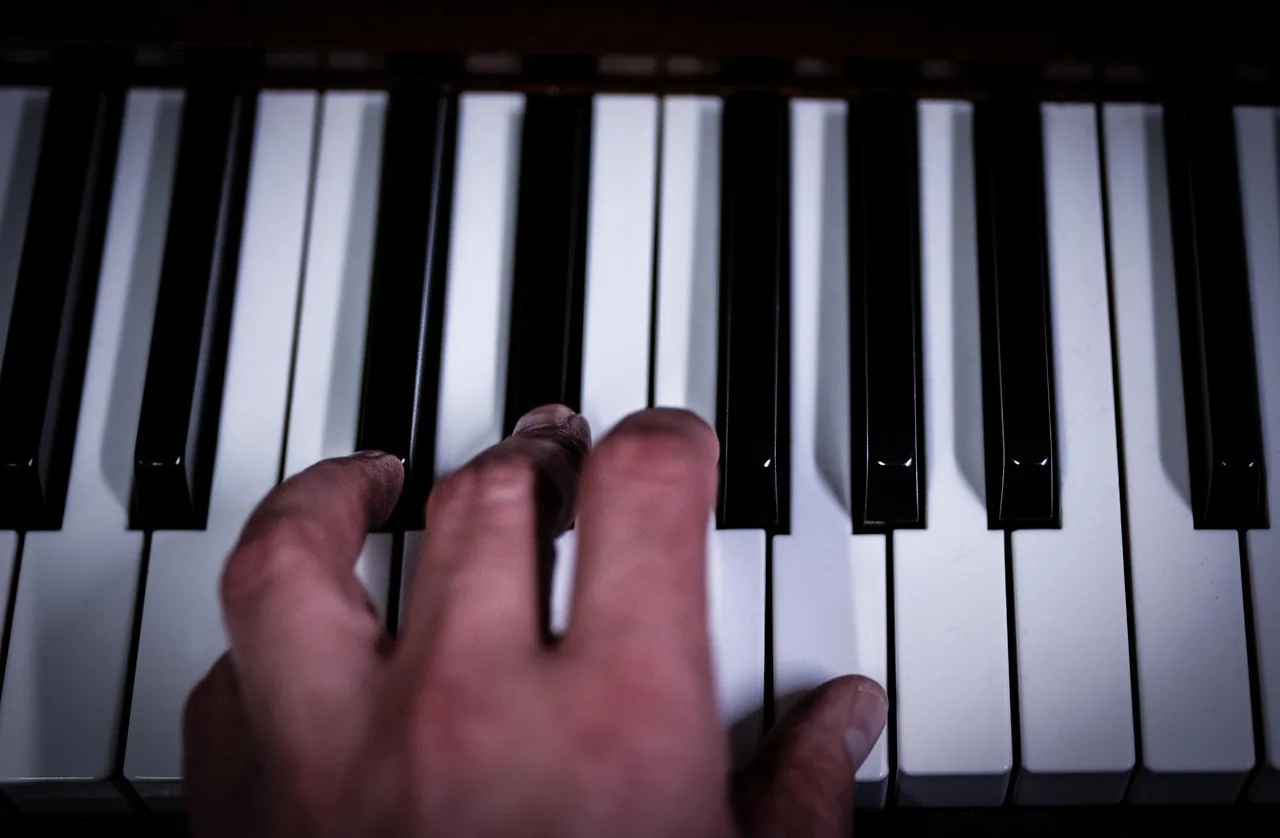
A keyboard that feels like an acoustic model transforms learning and performance.
Choosing a digital piano with a graded keyboard provides a more realistic playing experience. Musicians gain greater control over nuances and dynamics. This makes it easier to perform a wide variety of pieces and study both classical and modern repertoire.
Console models complement a living room’s design and offer three integrated pedals. They suit households looking for stability and visual appeal. Portable versions are attractive because they take up little space and are easy to move.
Another benefit is that the lack of regular tuning reduces maintenance costs. Adjustable volume and the option of playing with headphones make this instrument ideal for apartments.
- For beginners: a responsive keyboard makes progress easier.
- For experienced players: high-end models simulate the resonance of a grand piano.
| Type | Advantage | Recommended use |
|---|---|---|
| Console | Design, three pedals, stability | Home, family practice |
| Portable | Easy to transport, compact format | Concerts, rehearsals, small spaces |
| Hybrid | Acoustic sound with the option of silent playing | Studios, teachers, silent sessions |
Understanding weighted-action mechanics
Understanding how the mechanism works helps you choose a keyboard suited to your development. This section explains why the internal structure changes the feel beneath your fingers and influences technique.
Hammer action
Hammer action reproduces the strike of an acoustic piano using components that imitate the real impact. Some manufacturers even incorporate small hammers to provide a more natural response.
Advantage: this mechanism offers progressively increasing resistance as the key is depressed, as on a grand piano, and improves the perceived sound quality.
The feeling of resistance
There are three categories: weighted, semi-weighted and fully weighted. The last comes closest to acoustic pianos and suits musicians who want to develop genuine control of dynamics.
A good digital piano with weighted action enables beginners to develop proper finger independence. High-end models add sophisticated sensors that translate every nuance into expressive sound.
- Resistance varies between the lower and upper registers, as on a traditional instrument.
- The mechanism must be robust enough to withstand years of use.
- Avoid keyboards that are too light if you want to progress properly.
The crucial importance of the number of keys
The number of keys defines the instrument’s range and directly affects your playing. A full keyboard provides the registers needed to play the entire classical repertoire, as well as jazz and pop.
Why 88 is the standard
Historically, 18th-century instruments had a narrower range, often limited to around 54 notes. In the 19th century, composers such as Beethoven and Liszt called for more treble and bass notes. That is how the format used today became the standard.
Practical advantages:
- 52 white keys and 36 black keys cover seven full octaves.
- Allows demanding pieces to be performed without transposition.
- Makes the transition to an acoustic piano easier for developing musicians.
Note: some acoustic exceptions have 92, 97 or 108 keys, but they remain rare and are of little relevance to most electronic models. For a sound investment, choose a full keyboard suited to your needs and development.
Differences between acoustic and digital pianos
Sound production is the fundamental difference between the two families of instruments.
An acoustic piano generates sound through the vibration of strings struck by felt hammers.
The mechanism is complex: the bridge, soundboard and adjustments all influence resonance.
An upright model has vertical strings, while a grand piano has horizontal strings.
A digital piano reproduces sounds using sampling and electronics.
This approach eliminates the need for regular tuning.
It also provides MIDI and USB connections for creation and recording.
Practical advantages:
- The sound-production method remains the main difference: mechanical or electronic.
- Acoustic models are prized for their high-end sound quality but require suitable maintenance and space.
- Electronic models suit beginners and modern musicians who need versatility and a headphone jack for playing at any time.

The advantages of digital instruments for modern musicians
Choosing a connected instrument opens up practical possibilities for creativity and learning. You can record your own pieces with an integrated sequencer and export tracks through MIDI or USB.
Transposition changes the pitch of notes without requiring you to move your fingers on the keyboard. The built-in metronome helps develop a steady rhythm. Effects such as reverb and chorus enhance the sense of space.
- Portability: easy to transport for rehearsals or outdoor performances.
- Silent practice: playing with headphones avoids disturbing the family at night.
- Learning tools: apps and integrated lessons for beginners.
- Creativity: the Dual function combines two tones for composition.
For musicians, these models offer an adaptable alternative to the acoustic piano. Choosing a good keyboard encourages progress and creativity, regardless of price or ability level.
Analyzing keyboard sensitivity and dynamics
A dynamically responsive keyboard radically changes a performer’s expressiveness.
Touch sensitivity lets you vary the intensity according to the force applied to the keys. Without this responsiveness, playing loses its color and depth.
High-end models offer several adjustable levels to suit every style. They combine a refined mechanism with high-quality sampling to deliver convincing sound quality.
Controlling tonal nuances
Precise sensors detect velocity and convey every intention to the sound generator. A linear response across the keyboard helps both beginners and experienced musicians progress.
- Sensitivity: makes it possible to play from pianissimo to fortissimo.
- Dynamics: produced by the mechanism and sampling.
- Resonance: simulated using algorithms when the pedal is used.
| Level | Characteristic | Recommended use |
|---|---|---|
| Light | Fast response, little resistance | Beginners, mobile rehearsals |
| Graded | Resistance varies by register | Technical study, classical repertoire |
| High-end | Multiple sensors, detailed samples | Concerts, recording, professional musicians |
Overview of the best digital-piano brands
Major brands often set the standards for quality and innovation in the keyboard market. Yamaha, Roland and Casio remain benchmarks in 2025 because of their reliability and technical research.
Yamaha offers a broad range, from portable models to carefully designed consoles, with lasting support. Roland focuses on advanced technology and accurate sound reproduction. Casio offers series such as Privia and Celviano for every budget.
Korg and Kawai complete the selection with models suited to beginners and professionals alike. Choosing a recognized brand often ensures better access to parts and updates, as well as easier resale.
- Recommendation: favor a reputable manufacturer known for durability and long-term value.
- Practical advice: compare console and portable models according to your space and budget.
For a targeted selection of Yamaha models for beginners, see this recommended selection.
A closer look at Yamaha models for beginners and experienced players
Yamaha offers a range designed to support every stage of your playing. Its products extend from portable models to carefully designed consoles, with technology inherited from acoustic pianos.
The Arius series for the home
The Arius series, represented in particular by the YDP-145, is aimed at households seeking an elegant design and a robust mechanism. This compact console suits beginners and developing pianists.
Advantage: a graded GHS keyboard provides a feel close to that of a traditional instrument and durability suited to years of practice.
The P series for portability
For rehearsals or playing on the move, the P series remains a benchmark. The P-145, which replaced the P-45 in July 2023, is more compact and more powerful.
These models are perfect for beginners looking for good value for money and for mobile musicians.
- Reliable entry-level models with the Smart Pianist app to simplify settings.
- The CLP-825 in the Clavinova range targets demanding players who want a result close to that of an acoustic piano.
For a Yamaha selection or a recommended selection, these references will help you choose according to your needs.
The Roland range and its innovative technologies
Since 1972, Roland has advanced the world of keyboards through technologies that faithfully reproduce the mechanism of an acoustic instrument. The brand stands out for its sound solutions and user-friendly design tailored to musicians in France.
Entry level: the FP-10, launched in 2019, appeals to beginners looking for a compact keyboard without sacrificing sound quality or finger response.
Mid-range: the FP-30X offers excellent value for money and highly realistic action. It competes with more expensive models for study and stage use.
High-end portable: the FP-90X incorporates the PHA-50 keyboard and virtually unlimited polyphony. Professionals appreciate its power when performing complex pieces and its simulations of acoustic environments.
- Durability: designed for intensive use in schools or on tour.
- Longevity: the models remain relevant for several years.
- Design: compact models, some of which become elegant consoles when fitted with a stand.
Casio solutions for every budget
Casio offers an extensive range meeting the needs of beginners and advanced musicians alike.
CDP‑S110: a modernized version of the bestseller, highly compact and designed for travel and street performance. Ideal if you have limited space and a small budget.
PX‑S1100 and PX‑770 from the Privia range: these portable models offer an action close to that of a traditional instrument, an appealingly compact format and refined design.
AP‑470 Celviano: a high-end console model equipped with AiR technology for multidimensional sound that approaches that of an acoustic piano.
“Casio makes quality accessible, from entry-level instruments to sophisticated consoles.”
- Versatility: solutions for study, composition and the stage.
- Features: string-resonance simulator and AiR sound engine.
- Design and durability: finishes suited to modern interiors and years of use.
In summary, Casio offers a balanced selection based on your needs, budget and space. Beginners will find reliable entry-level models, while demanding musicians can turn to the Celviano series for serious practice.
Essential accessories for your setup
A carefully planned setup turns every session into a genuine opportunity to improve. Accessories optimize the comfort, stability and longevity of your instrument.
Choosing a bench
Choose a height-adjustable bench. Correct posture prevents back pain and promotes better hand positioning on the keys.
Tip: choose a firm, adjustable seat that will remain suitable throughout years of lessons.
The importance of headphones
Quality headphones allow silent practice while letting you hear every nuance. They are especially helpful for beginners who want to progress without disturbing their neighbors.
Sustain pedals
The sustain pedal extends notes and enriches expression. For portable models, a sturdy pedal is essential when performing technically demanding pieces.
- Stable stand: guards against instability while playing.
- Protective cases: useful for traveling musicians and rehearsals.
- Insulating mat: reduces vibration and protects the floor.
When chosen carefully, these accessories make regular practice easier and protect your investment.
Selection criteria based on your playing level
Your playing needs should guide your choice of keyboard and essential features. To play the entire classical repertoire, a full number of keys remains a decisive criterion.
For beginners, favor an instrument with a true graded keyboard so that you develop solid technique from the first lessons. This prevents bad habits that could persist for years.
An experienced musician will look for high polyphony and exceptional sounds close to those of an acoustic piano. Sampling options and dynamic settings make a difference in rehearsals and concerts.
Your choice of model also depends on your space: console models suit a house, while portable versions adapt to small apartments.
Price matters, but do not sacrifice keyboard quality to save a few dollars. Try several models in a store to find the feel that suits your sensitivity.
To explore your options further and refine your criteria according to your budget and goals, see our buying guide.
Adapting your instrument to your living space
The size and acoustics of your room often determine which model is most suitable.
If you have a large living room, a console model provides presence and comfort during long sessions. It offers stability, three pedals and a refined appearance that complements your interior design.
Conversely, a portable instrument is easy to store. In a studio or small apartment, this choice frees up space and makes it easier to travel to rehearsals or other playing locations.
Consider the length of the keyboard if you choose a full-size model: the number of keys affects your layout. Measure the space before buying to avoid unpleasant surprises.
Tip: check the stability of the stand and the height of the bench to protect your posture. Also consider acoustics: a rug, curtains or an occasional piece of furniture can improve note reproduction.
- Practical choice: a console model for the home and a portable model for smaller spaces.
- Comfort: a suitable stand and ergonomic position.
- Appearance: a well-integrated instrument enhances both your interior and your playing.
Electronic features that enrich your playing
Built-in tools make learning easier while enriching performance. A good digital piano offers features that serve beginners and professionals alike.
The built-in metronome helps you develop rhythmic precision in your pieces. The recording function captures your ideas and lets you track your progress over the years.
Dividing the keyboard into two identical zones is useful for lessons. It allows the teacher and student to play side by side on the same instrument.
- Reverb and effects: simulate different rooms to provide greater depth.
- MIDI and USB: connect the instrument to a computer for production and recording.
- Sound banks: digital pianos provide textures that go beyond the acoustic piano.
Transposition makes it easier to accompany a singer without changing your position on the keyboard. Finally, aim for polyphony of at least 64 notes to prevent notes from cutting out in complex passages.
To refine your selection and compare electronic options according to your budget, see our page on how to choose a digital piano.
Common mistakes to avoid when buying
A poor initial choice can hinder your musical progress for years. Before being won over by appearance alone, take the time to assess the quality of the mechanism and keyboard response.
Do not overlook the number of keys: a reduced keyboard will quickly limit your repertoire and your ability to study complete classical pieces.
Avoid buying an instrument solely for its design or price. Testing the sensitivity of the keys in person is essential because every model responds differently.
- Insufficient polyphony: check this specification to avoid dropouts in dense pieces.
- Action that is too light: poorly suited to beginners aiming to develop proper acoustic-piano technique.
- Forgetting accessories: a bench, headphones and stand are necessary for proper comfort.
- Ignoring professional advice: ask a teacher or qualified dealer for guidance.
To refine your choice and compare reliable models, see our selection and avoid regretting your purchase.
Conclusion
Choosing a reliable model simplifies learning and daily practice.
Selecting the right digital piano lets you progress without frustration. Keyboard quality and touch sensitivity remain non-negotiable criteria.
Major brands offer reliable models for every budget. Investing in a good instrument from the outset protects your time and enjoyment of playing.
To compare models and find the best value for money, see our selection of the best digital pianos. You are now ready to choose an instrument that will stay with you for years.


0 Comments