A suitable environment plays a key role in the performance of a stringed instrument. Variations in humidity and temperature can affect its tone. A stable room ensures better note projection.
The Japanese brand’s models incorporate advanced technologies. These systems improve clarity and resonance. To learn more, consult this practical guide.
The interaction between the instrument and its environment is essential. Several solutions can help adapt the room: wall coverings, rugs, or sound-absorbing furniture. Every detail matters when seeking a harmonious sound.
Understanding the Acoustic Principles of an Upright Piano
The secret to exceptional tone lies in understanding acoustic mechanisms. An acoustic piano transforms the energy of its strings into sound waves through a complex interaction among its components.
How Sound Travels Through a Yamaha Piano
When a key is pressed, the hammer strikes the strings, creating vibrations. These vibrations are amplified by the soundboard, a spruce component that acts as a natural loudspeaker. This sound-transmission mechanism ensures optimal projection.
The Difference Between Airborne and Structure-Borne Noise
Airborne noise travels through the air, whereas structure-borne noise is transmitted through walls or floors. In an apartment, the latter can cause disturbances, unlike in detached houses, where the space absorbs vibrations more effectively.
A spruce soundboard can withstand up to 20 metric tons of tension, ensuring deep resonance.
How the Soundboard Affects Tone
The spruce wood used by Yamaha provides ideal rigidity and elasticity. The back of the upright piano particularly amplifies low frequencies, creating acoustic balance. Technical solutions reduce unwanted noise without compromising the timbre.
| Type of noise | Transmission | Yamaha solution |
|---|---|---|
| Airborne | Through the air | Absorbent coverings |
| Structure-borne | Through walls or floors | Acoustic stabilizers |
Optimal Placement for Perfect Acoustics
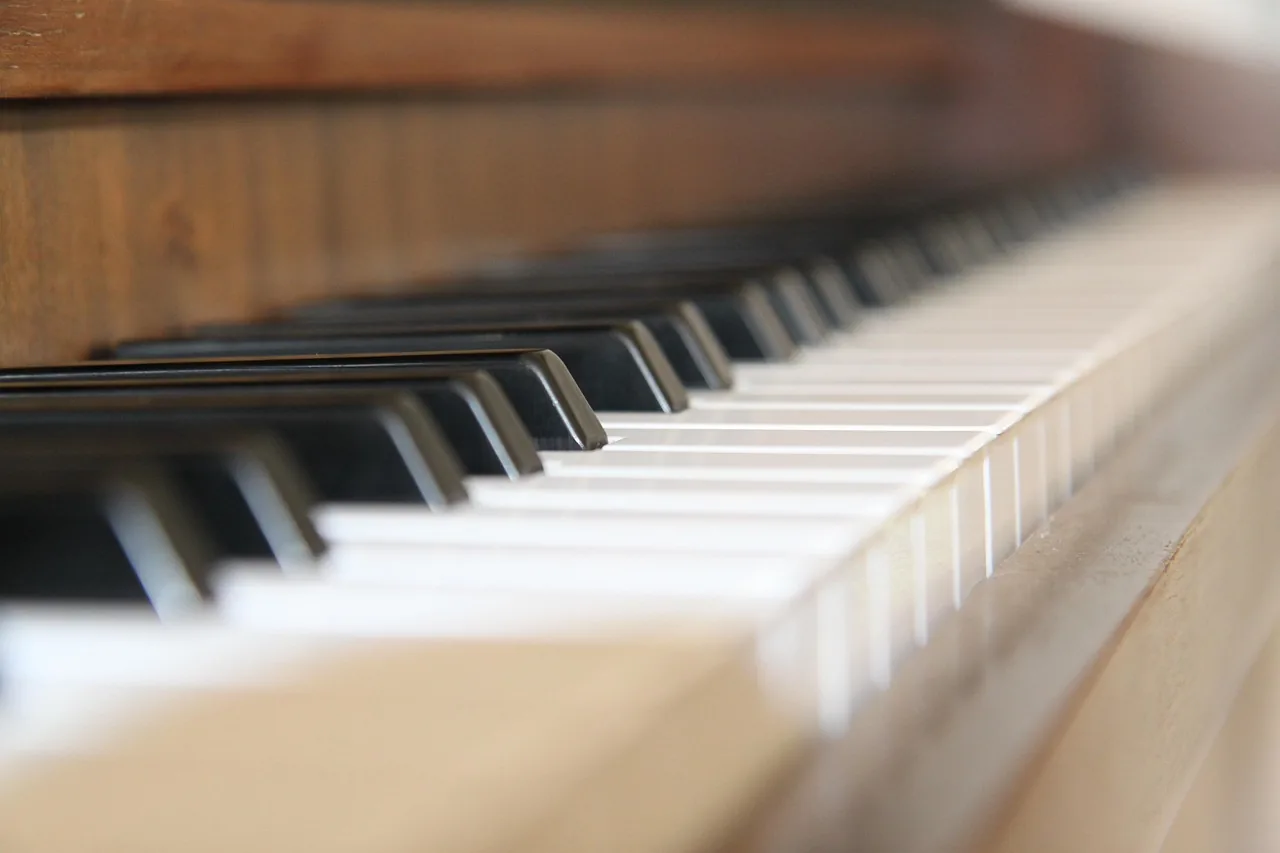
Placement plays a crucial role in the sound quality of a stringed instrument. A good setup lets you take full advantage of its volume and natural resonance.
Choosing the Ideal Location in the Room
Avoid tight corners and areas exposed to drafts. Favor a central location for even sound distribution. Large rooms with high ceilings provide better acoustics.
The Importance of Distance from Walls
Maintain a distance of at least 15 cm between the instrument and the walls. This distance minimizes sound interference and protects the inside of the instrument. A 45° angle works perfectly for studios.
“A thick rug reduces vibrations by up to 30%, thereby improving note clarity.”
Solutions for Reducing Vibrations
Several options are available for optimizing the environment:
- Dense felt pads beneath the casters
- Specialized rugs such as this absorbent model
- An acoustic isolation board for upright pianos
Materials such as mineral wool provide better absorption than conventional foam. Adapt these solutions to your space for a customized result.
Mechanical Adjustments to Improve the Sound
Sound quality depends greatly on the instrument’s mechanical adjustments. Precise maintenance preserves the harmony of the notes and extends the life of the components.
The Role of Regular Tuning
A professional piano tuner should service the instrument every six months. Climate variations disrupt the tension of the strings, affecting pitch accuracy. Semiannual servicing keeps them stable.
Adjusting the Hammers and Dampers
The felt hammers require meticulous calibration. Yamaha NSH technology reinforces the soundboard to ensure stable resonance. Wool dampers regulate reverberation.
“A 5% imbalance in string tension can distort the intonation of the middle register.”
Checking String Tension
Each string must withstand between 70 and 90 kg. A technician checks this parameter using a tension gauge. Tools such as silicon carbide can be used to voice the felts.
| Component | Key adjustment | Frequency |
|---|---|---|
| Hammers | Voicing with silicon carbide | Every 2 years |
| Dampers | Dynamic balancing | Annually |
| Strings | Tension check | Semiannually |
To explore the topic further, consult expert discussions about advanced adjustments. A properly calibrated Renner action provides an impeccable piano touch.
Acoustic Enhancement Systems for Yamaha Pianos
Modern technologies provide innovative ways to refine the sound of instruments. Yamaha incorporates patented systems that can be adapted to various musical environments. These innovations preserve the authenticity of the timbre while meeting contemporary needs.

Silent Systems and Their Benefits
The Silent Piano™ SH2 uses optical sensors to provide latency-free HD digital conversion. This technology makes it possible to play through headphones while retaining the mechanical touch. Tests show a 98% reduction in noise disturbance in silent mode.
“The Silent System module produces only 0.3% harmonic distortion, a level below professional standards.”
Oval Sound System and Acoustic Stabilizers
The Oval Sound System is activated in 5 seconds using a discreet remote control. The SST100® stabilizer fits inside the inside of the instrument to reduce electromagnetic interference. Its effectiveness has been validated through tests in urban environments.
| Type of system | Activation time | Reduction in disturbances |
|---|---|---|
| Passive (rug or panels) | Immediate | Up to 25% |
| Active (SST100®) | 5 seconds | 40% |
Yamaha Accessories for Sound Optimization
The ProAcoustic kit includes micro-adjusters for the soundboard. As demonstrated by TransAcoustic™ technology, these tools provide precise volume control without altering resonance. A recent study reports an 18% improvement in low-frequency response.
- High-precision sensors (0.01 mm resolution)
- Specialized lightweight transducers (147 g per unit)
- Built-in memory for 20 sound profiles
These technical solutions deliver a measurable result, which is particularly useful for demanding musicians. Their compatibility with recent models simplifies installation without requiring structural modifications.
Professional Service for Optimal Results
Regular maintenance performed by experts ensures your instrument’s longevity and sound quality. Climatic variations and natural wear require rigorous technical monitoring.
When to Call a Piano Technician
Several signs indicate that servicing is needed:
- Notes that sound out of tune despite recent adjustment
- Unwanted noises while playing
- Uneven key response
The Piano Life Saver system continuously monitors humidity. This tool prevents moisture-related wood deformation.
“Complete voicing costs between €250 and €400, but it preserves the instrument for decades.”
Specialized Yamaha Services
The Premium Care program offers three annual visits that include:
- Checking string tension
- Inspecting the hammers and dampers
- Artificial-intelligence acoustic analysis
Holistic Piano Care™ technology combines several preventive procedures. It covers every mechanical and acoustic aspect.
Recommended Preventive Maintenance
An appropriate service schedule prevents costly repairs. Authorized technicians understand the specific features of each model.
| Type of maintenance | Frequency | Benefits |
|---|---|---|
| Tuning | Semiannually | Maintains harmony |
| Humidity check | Quarterly | Prevents deformation |
| Voicing | Annually | Optimizes timbre |
The extended warranty covers mechanical parts for 10 years. It is a wise investment for demanding musicians.
Conclusion
Getting the best sound from your instrument requires a balanced approach. Combine mechanical adjustments with acoustic solutions to achieve exceptional results. Certified technologies offer measurable benefits in precision and durability.
Adapt this advice to your space and how often you play. Future innovations promise even more effective systems that will enrich the musical experience.
Remember: regular maintenance preserves the value of your investment. To explore the subject further, discover expert discussions about sound optimization. A personalized approach will bring out the full potential of your piano.


0 Comments