Choosing a good instrument starts with defining your expectations. Whether you are a beginner or an experienced musician, your choice should be based on the feel, hammer action and sound quality.
A model such as the Yamaha P-145 shows that good value for money is available. For around 400 euros, it offers a standard 88-key keyboard and sampling that is more than adequate for getting started with confidence.
Analyzing the number of notes and the fidelity of the sounds helps ensure expressive playing. Also consider the space available in your home: a portable model differs from a cabinet piano and changes the atmosphere of the living room.
The key criteria remain the feel, mechanical system, sound reproduction and ergonomics. These points guide your choice according to your level, budget and intended use.
Understanding the high-end digital piano market: what are your real needs?
In the premium segment, the emphasis is on the action and the quality of the sound samples. Musicians seek a precise feel and sounds that are highly faithful to those of an acoustic grand piano.
The Yamaha YDP-165 illustrates this positioning. Priced at around 1,150 euros, it features an 88-key Graded Hammer 3 (GH3) keyboard. It is a solid benchmark for anyone seeking controlled value for money.
Comparing technical criteria remains essential. Consider the feel, polyphony, number of sounds and footprint in relation to your available space.
- A feel similar to that of an acoustic instrument.
- Rich sound libraries.
- A price reflecting the complexity of the action.
| Model | Indicative price | Keyboard | Polyphony |
|---|---|---|---|
| Yamaha YDP-165 | About €1,150 | GH3, 88 keys | 192 notes |
| Roland FP-30X | About €900 | PHA-4, 88 keys | 256 notes |
| Kawai ES110 | About €800 | Responsive Hammer Compact | 192 notes |
The distinction between an acoustic piano and a digital piano
The internal action and sound source clearly distinguish acoustic instruments from electronic models. The former produces sound when hammers strike strings and the soundboard resonates. The latter recreates this timbre using sensors and sample libraries.
Technological differences
The acoustic piano relies on an entirely physical mechanism: strings, hammers and bridge. This physical chain produces natural harmonic richness.
The digital piano captures, processes and reproduces sound using samples and algorithms. Recent models aim for very good sound quality, close to that of an acoustic grand piano.
The role of sensors
Sensors determine the precision of the key response. Advanced systems measure the speed and position of the keys. They offer a dynamic response comparable to that of hammer actions.
Beginners should prioritize an instrument with weighted keys. This makes it easier to acquire proper technique, regardless of budget and available space.
- Headphone access: silence and nighttime practice.
- Limited space: choosing a compact model is pragmatic.
- Level and ambitions: keyboard sensitivity makes the difference.
| Aspect | Acoustic piano | Digital piano |
|---|---|---|
| Sound source | Strings struck by hammers | Sensors and samples |
| Touch response | Natural, progressive | Programmable, highly responsive |
| Practical use | Requires space and maintenance | Headphones supported, compact format |
For a detailed comparison and purchasing advice, read this comparison article.
The concrete benefits of investing in a high-end model
The difference quickly becomes apparent: keyboard sensitivity, richness of tone and durability.
A telling example: the Yamaha CLP-835, priced at around €1,800, features GrandTouch-S technology. This choice ensures a precise feel and sounds that are highly faithful to those of an acoustic grand piano.
In the long term, a good instrument reduces the need for replacement. Digital and acoustic pianos remain comparable in terms of expressiveness, but digital models take up less space.
- Better sampling quality for very good sound reproduction.
- Durability and build quality guaranteed by recognized brands.
- Easier progress: the feel allows you to reach an advanced level without compromise.
| Type | Indicative price | Keyboard | Key benefit |
|---|---|---|---|
| Entry-level | About €400 | Basic weighted keys | Accessibility |
| Yamaha CLP-835 | About €1,800 | GrandTouch-S, 88 keys | Feel and sound fidelity |
| Acoustic piano | Variable | Real action | Natural resonance |
Analyzing key feel and keyboard action
A good keyboard turns intention into nuance. The contact between the hand and the instrument defines the precision of your playing. It is a key criterion for every musician, regardless of level.
Hammer action
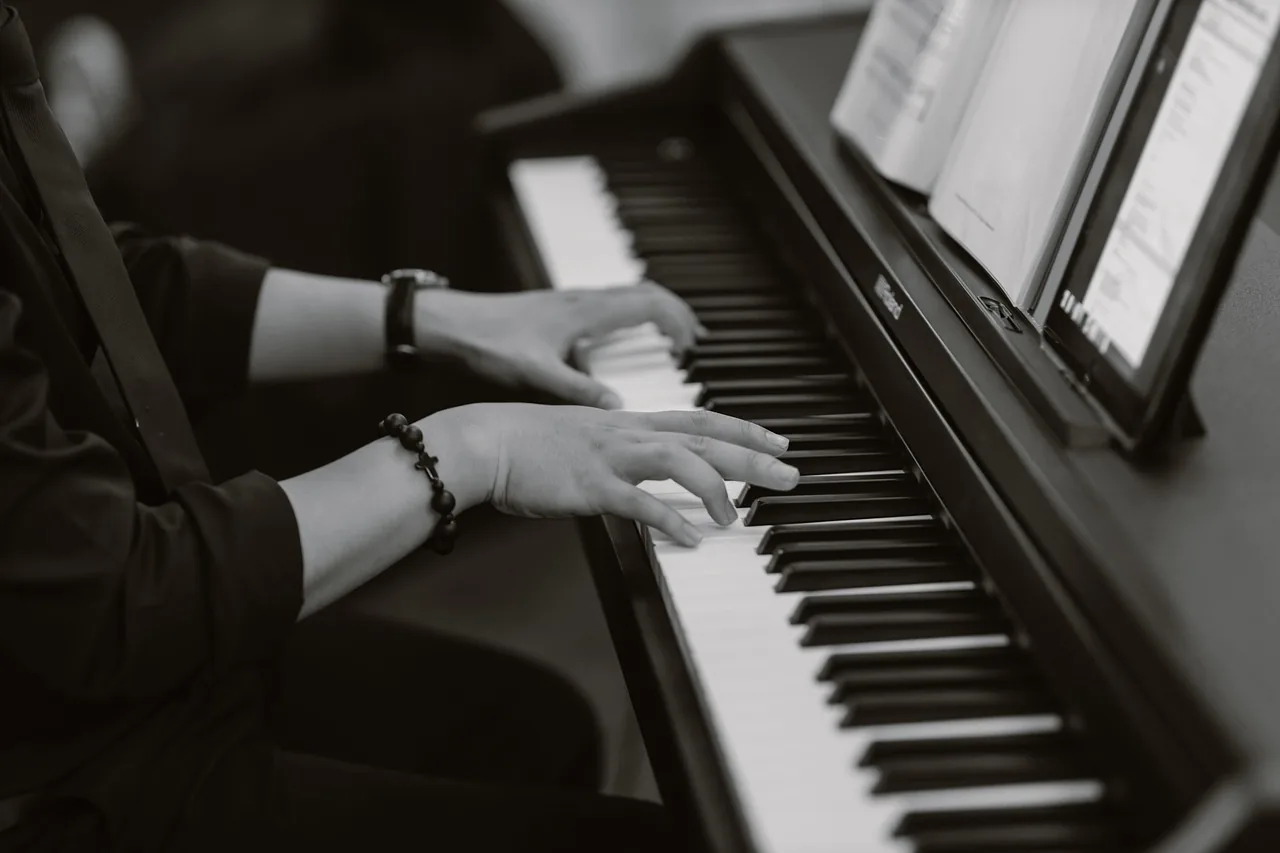
Hammer action reproduces the resistance and response of an acoustic grand piano. The Yamaha P-525, with its solid-wood GrandTouch-S keyboard, illustrates this principle.
Key surfaces
Synthetic ivory or ebony surfaces provide a secure grip. They reduce slipping and improve comfort during long sessions.
Dynamic sensitivity
Sensitivity makes it possible to vary musical dynamics. A progressive response helps you perform complex pieces precisely.
- Why invest: a quality keyboard ensures better durability and greater expressiveness.
- Value for money: it is justified by the complexity of the mechanisms and the fidelity of the sounds.
- Practical advice: test the response during crescendos and pianissimo passages before making a purchase.
To learn more about models and settings, see our guide to professional pianos.
The importance of sound sampling and polyphony
Sampling captures the soul of a concert grand piano by recording every nuance of every note. Very good sampling reproduces the harmonics and tonal color of the sounds.
Polyphony indicates how many notes can be played at the same time. Low polyphony causes notes to cut out during dense chords or heavy pedal use.
Thanks to modern technologies, some models reproduce the natural resonance of an acoustic piano. This improves the perception of touch and the depth of musical pieces.
- Investment: an instrument with high polyphony provides a stable experience, regardless of your level.
- Sound quality: careful sampling makes every key more expressive.
“Choosing good sampling prevents a flat playing experience and enhances your performance.”
To explore this concept further and compare polyphony figures, read our guide to polyphony.
Choosing between a portable, compact or cabinet format
The format you choose influences both the use and appearance of your instrument.
If you are short on space, a portable model remains the most practical solution. These instruments are lightweight, easy to move and often more affordable in terms of price.
Compact versions offer a compromise. They retain an elegant design while saving space. Their keyboard is generally suitable for an intermediate player.
Benefits of the cabinet format
The cabinet format is intended for those who want a visual presence similar to that of an acoustic piano. A very good cabinet model combines attractive styling with excellent sound quality.
It often offers superior keys and feel. The instrument becomes a decorative feature and improves the consistency of the sound over time.
- Appearance: perfect for a well-designed living room.
- Reproduction: better projection and a carefully designed sound library.
- Durability: robust construction for regular use.
“Your choice of format depends primarily on your budget and daily use.”
The special features of silent pianos for demanding musicians
Silent systems offer an ideal solution when you want to preserve the feel of an acoustic piano while playing without audible sound. They use sensors and prevent the hammers from striking the strings, capturing key movements and producing the sound electronically.
In practical terms, activating the system sends the signal directly to headphones. The musician then enjoys complete immersion and faithful sound reproduction without disturbing anyone nearby.
The Yamaha SILENT system illustrates this choice well: it can be installed on the B and U series. This system preserves the keyboard and action while adding very high-quality digital audio.
These instruments are more expensive. For apartment dwellers, however, the investment combines the best of both worlds: authentic feel, nighttime practice and high-quality sound.
The world of hybrid pianos: the best of both worlds
The fusion of real action and high-quality sampling defines the new generation of instruments.

Hybrid models such as the Yamaha AvantGrand NU1X or Kawai Novus NV10 combine an action similar to that of a grand piano with an advanced electronic sound section.
The result: the feel remains authentic without using traditional string-striking hammers, while sound reproduction benefits from precise sampling.
Key benefits:
- Keyboard sensitivity identical to that of an acoustic instrument.
- The flexibility of digital sounds and modern options.
- Ideal for demanding musicians who care about the feel.
“Choosing a hybrid means seeking the best synthesis of mechanical feel and sound technologies.”
| Model | Benefit | Indicative price |
|---|---|---|
| Yamaha AvantGrand NU1X | Grand-piano-like keyboard and Yamaha sampling | High |
| Kawai Novus NV10 | Hybrid action and very natural reproduction | High |
| Other models | A compromise between feel and digital sounds | Variable |
For a detailed NU1X review, read our feature on the Yamaha AvantGrand NU1X.
Technical criteria for assessing connectivity and features
Modern connectivity turns a keyboard into a sound-creation hub. Before buying, check its compatibility with your tools. This prevents unpleasant surprises during a recording session or online lesson.
MIDI and Bluetooth connectivity
MIDI remains the fundamental standard for connecting your instrument to a sequencer or educational apps. Check whether the port is DIN or USB‑MIDI and how channels are handled.
Bluetooth makes it easy to connect wirelessly to a tablet and use learning apps. For greater flexibility, prioritize models that support both standards.
Professional audio outputs
For stage or studio use, balanced jack (TRS) or XLR outputs are essential. They preserve quality and reduce unwanted noise during concerts.
A good instrument also includes a high-quality headphone output and built-in recording options. These functions simplify everyday work, regardless of your level.
- Future-proofing: make sure the connectivity matches your budget and projects.
- Flexibility: headphones for silent practice, outputs for amplification and recording.
- Built-in features: recorder, accompaniment and software compatibility.
| Function | Input/output | Use |
|---|---|---|
| MIDI | DIN/USB | Sequencers, learning |
| Professional audio | TRS/XLR | Stage and studio |
| Wireless | Bluetooth | Tablet, apps |
Matching your choice to your level of musical practice
Your choice of keyboard should follow your musical development, not the other way around. For beginners, the important thing is to have an instrument with a realistic feel and reliable keys. This helps build good technical habits.
At the intermediate level, prioritize a model offering high polyphony and varied sounds. These criteria allow you to explore richer repertoires without limiting your playing.
Experienced musicians seek subtlety: fine nuances, dynamic response and high-quality sound libraries. Here, the price is justified by quality and durability.
Matching your budget to your level prevents unnecessary purchases. Invest according to your practice: a good, suitable instrument encourages fast, lasting progress.
| Level | Priority | Advice |
|---|---|---|
| Beginner | Realistic feel, reliable action | Choose a model with weighted keys and a simple pedal |
| Intermediate | Polyphony, variety of sounds | Look for at least 192-note polyphony and sound libraries |
| Advanced | Nuance, sound fidelity | Aim for a high-end model or a recognized hybrid |
The impact of design and footprint on your interior
The style of a musical cabinet influences a room’s atmosphere as much as its function.
A cabinet model can become the centerpiece of the living room. It evokes the elegance of a traditional acoustic piano and enhances the décor.
Footprint remains a crucial criterion if you have limited space. A compact instrument frees up space while retaining good sound quality.
The price varies according to the care devoted to the finish and materials. A beautiful lacquer finish or finely crafted cabinet often costs more but offers genuine durability.
For spacious interiors, a grand-style model offers a refined silhouette and unique presence. Electronic grand pianos can also fulfill this decorative role.
“The right compromise combines aesthetics, ergonomics and respect for the available space.”
- Tip: measure your space before buying.
- Choice: prioritize a quality keyboard and keys rather than size alone.
- Reference: for an elegant grand-style model, discover the Roland GP609 digital grand piano.
| Criterion | Compact | Cabinet/grand |
|---|---|---|
| Footprint | Small | Large |
| Decorative impact | Discreet | Striking |
| Indicative price | Affordable | Higher |
Why choose leading brands in the sector
Choosing a recognized brand limits purchasing risks and ensures a consistent musical experience.
Major brands invest heavily in R&D. They develop technologies that bring the feel of modern solutions closer to that of acoustic instruments.

Choosing a model made by a leading brand ensures recognized build quality and reliability among professionals. These pianos also tend to retain their value better.
In the long term, the value-for-money ratio becomes clear: accessible spare parts, a service network and updates. This reduces unexpected costs.
- Easier access to parts and maintenance.
- A complete range for every budget and level.
- Reliable technical support and documentation.
“Investing in a leading brand secures your musical practice and protects the value of your instrument.”
In practice, test the keyboard and keys at an authorized dealer. You will quickly notice the difference between a good model and the others.
Assessing long-term value for money
Considering the long-term cost helps measure an instrument’s true value. The purchase price does not tell the whole story: the durability of the hammer action and the richness of the sampling matter much more.
A model such as the Roland FP30X shows that very good playing quality can be obtained on a reasonable budget. It remains a benchmark for beginners and enthusiasts.
The price difference between models is often justified by the complexity of the internal system and the precision of the feel. When investing in a high-end model, the cost pays off through longevity and daily enjoyment.
- Check: polyphony, number of sounds and quality of the action.
- Also consider the intended use: headphone practice, available space and target level.
- Good value for money takes account of maintenance and resale value across different brands.
“A well-considered purchase prioritizes quality and durability over the immediate price.”
For a complete guide to making your initial choice, read how to choose your first piano.
Essential accessories for completing your setup
To get the most from your instrument, also consider the items around it. Good equipment ensures comfort, safety and longevity.
Choosing an adjustable bench
An adjustable bench is essential for maintaining correct posture. A suitable seat prevents strain and improves touch during long sessions.
Support and stability: for portable models, choose a sturdy stand. It protects the keyboard and prevents it from tipping while you play.
Investing in quality headphones allows you to hear the samples faithfully without disturbing others. This is useful for nighttime practice and recording.
Protect your equipment with a case or cover. These accessories limit dust accumulation and extend the service life of the action and keys.
Finally, include these purchases in your initial budget. The price of accessories remains low in relation to the quality and comfort they provide.
| Accessory | Role | Advice |
|---|---|---|
| Adjustable bench | Posture and comfort | Height-adjustable, comfortable seat |
| Stand | Stability for portable models | Non-slip X- or Z-frame |
| Headphones | Faithful listening | Wired, neutral reproduction |
| Protective cover | Dust protection | Water-resistant material, close fit |
Planning for maintenance and the service life of your instrument
Regular maintenance preserves the responsiveness of the sensors and keys. Clean the keys after each session with a soft, dry cloth. More thorough monthly cleaning prevents the buildup of dust and perspiration residue.
Unlike an acoustic piano, an electronic model does not require tuning. The absence of this specialized maintenance saves money in the long term and simplifies budgeting.
Plan for its service life by recording the year of purchase and system updates. This will allow you to schedule a future replacement or upgrade without surprises.
- Suitable cleaning: microfiber cloths and gentle products to protect the surface.
- Monitoring: regularly test keyboard sensitivity and report any loss of responsiveness.
- Choice of brand: prioritize recognized manufacturers for better longevity and reliable after-sales service.
“Good maintenance turns a purchase into a musical companion for many years.”
Conclusion
You can feel the quality of an instrument instantly, from the very first notes. A good investment transforms your practice by offering more faithful sound reproduction and feel. Choosing the right model means finding the balance between price, comfort and longevity.
The best pianos meet the expectations of students and professionals alike. By comparing features and prices, you will identify the instrument that suits your level and budget.
Keep in mind that the pleasure of playing remains the ultimate criterion. If you want to explore a recognized selection, read our feature on the best digital pianos.

0 Comments