Choosing a full-size keyboard changes how a beginner musician progresses. The standard reproduces the number of keys on a traditional acoustic piano and makes learning scales and octaves easier.
An entry-level model such as the Roland FP-10 BK at €398 offers realistic action and quality sounds. This option protects your budget while avoiding the need to replace the instrument a few months later.
Unlike keyboards with 61 or 76 notes, a full-size keyboard avoids limitations in demanding pieces. Its action and feel are closer to those of an upright or grand piano, providing a better playing experience.
Why an 88-key digital piano is the recommended format
The number of keys immediately defines an instrument’s musical range. It influences playing comfort, the available register and faithfulness to the scores taught at conservatories or in private lessons.
The keyboard layout remains the same: 52 white keys and 36 black keys. This configuration provides a complete tonal range and a logical path of progression for beginners.
By 1890, this standard had become established to accommodate classical and modern works. Modern models retain this standard to ensure an experience consistent with that of acoustic pianos.
Choosing an instrument with the right number of keys prevents technical limitations in complex pieces. Reduced-size models can hinder learning and the exploration of extended scales.
- A musical range suited to beginners and advanced players
- Teaching compatibility with methods and instructors
- A consistent keyboard layout across acoustic pianos and digital models
For a buying guide and recommendations suited to your budget and needs, see the best digital piano for learning.
Historical origins and development of the standard keyboard
The history of the keyboard reveals technical adjustments driven by composers and the evolution of the repertoire.
In the eighteenth century, Mozart’s instrument covered only 5 octaves, or approximately 60 keys. Composers called for a wider range for their works.
The 88-key standard was adopted in 1890 to provide a broader tonal palette. This choice better met artistic requirements.
How composers influenced the number of notes
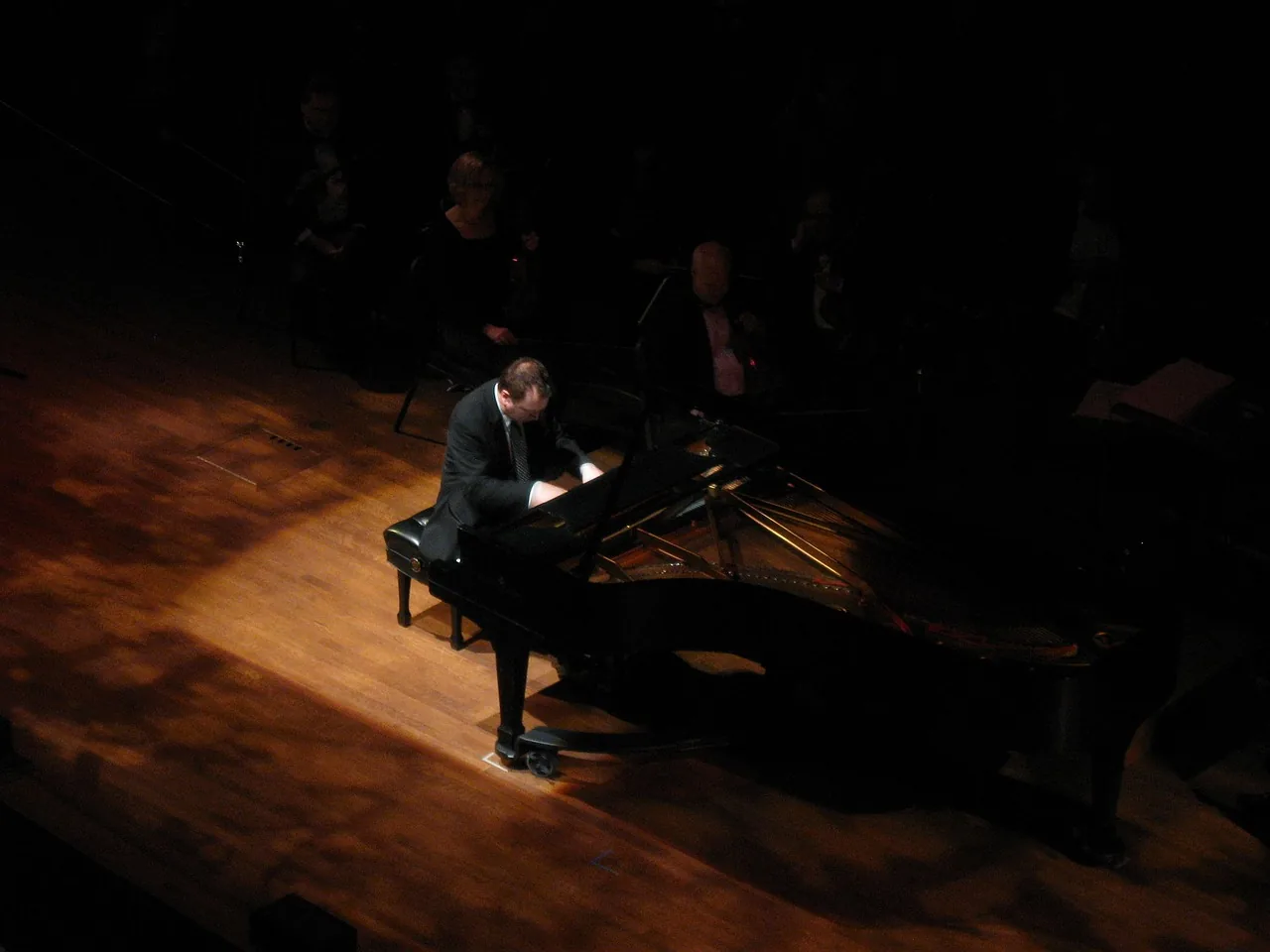
Composers’ needs encouraged an increase in the number of keyboard keys. This development transformed both performance and composition.
- The development enabled a richer musical experience.
- Every modern model carries on this legacy.
- The extended range ensures freedom and fidelity to the repertoire.
| Period | Approximate number of keys | Impact |
|---|---|---|
| Eighteenth century | Approximately 60 | Limited range for certain pieces |
| Late nineteenth century | 88 | Standard adopted for modern composition |
| Present day | 88 on most acoustic and digital pianos | Freedom of expression across 7 octaves |
The acoustic and physiological foundations of the full-size format
The design of a full-size keyboard draws on the human hearing range. The ear perceives frequencies from 20 Hz to 20,000 Hz, but a piano’s useful range primarily covers 27.5 Hz to 4,186 Hz.
The number of keys selected by manufacturers is intended to cover this interval. It ensures that every note remains audible and relevant to listening and performance.
Limiting the keyboard to the useful spectrum avoids registers that are too low or too high to offer the musician any benefit.
- The range from 27.5 to 4,186 Hz corresponds to 7 octaves used in practice.
- This physiological balance guides the design of every model.
- The number of keys ensures an experience faithful to acoustic sound.
| Element | Range | Impact |
|---|---|---|
| Human ear | 20 to 20,000 Hz | General perception of sounds |
| Standard instrument | 27.5 to 4,186 Hz | Useful coverage of the repertoire |
| Keyboard design | 7 octaves | Faithful sound experience |
Comparing acoustic and digital pianos
The sound-production mechanism completely changes the playing experience. Acoustic instruments use hammers that strike strings. Electronic keyboards reproduce notes through sampling.
Differences in their mechanisms
The acoustic piano relies on mechanics and string resonance. This gives it a unique feel and touch response.
Digital pianos use samples and sound engines. They imitate the action while providing consistency that requires no tuning.
Advantages of electronics
Integrated features are a major advantage. The headphone jack allows quiet practice. Available sounds range from concert piano to grand piano, enriching the tonal palette.
| Criterion | Acoustic piano | Electronic piano |
|---|---|---|
| Mechanism | Hammers and strings | Sampling and synthesis |
| Maintenance | Regular tuning | No tuning required |
| Features | Limited | Headphones, recorder, sound banks |
| Portability and price | Heavier, variable cost | Lighter, broad price range |
For a detailed comparison and recommendations suited to your needs, discover a practical guide to acoustic versus digital pianos.
The critical importance of action and sensitivity
Keyboard sensitivity directly influences playing precision and expression. There are three types of action: light, semi-weighted and weighted. Each option changes the way notes are articulated.
Weighted action reproduces the resistance of an acoustic piano. It strengthens the finger muscles and provides better preparation for performing demanding works.

The sensitivity quality of modern pianos makes expressive variation possible. Good dynamic response makes crescendos and nuances more natural.
- Action remains the key factor in developing technique among beginners.
- Differences between models directly influence progress.
- Choosing a weighted keyboard ensures an experience close to that of a traditional instrument.
In summary, prioritize feel and mechanical quality for a lasting choice. This will make learning easier and preserve the authenticity of your playing.
The practical advantages of a compact format
Being able to move your keyboard effortlessly makes practice more flexible and regular. An instrument measuring 1.40 m by 45 cm remains easy to fit into a living room or studio. The space savings benefit urban musicians and students.

Easy transport and mobility
Unlike an acoustic piano, this type of equipment can be transported without a truck or professional mover. Portable models provide genuine freedom to play away from home.
Key points:
- The compact format is ideal when space is limited in an apartment.
- Its position can be changed according to the light or the room’s acoustics.
- Portable keyboards often retain the same action quality and the right number of keys.
- The ability to store or carry the instrument meets a common need among traveling musicians.
- Useful features such as a headphone jack make it possible to play at any time without disturbing the neighbors.
For practical advice before buying, see our dedicated information on choosing the right keyboard.
Understanding polyphony and richness of sound
Polyphony refers to an instrument’s ability to play several notes simultaneously without cutting any of them off.
On many entry-level digital pianos, polyphony is often limited to 64 notes. Advanced models reach 128 or 256 voices.
A high voice count makes it possible to layer sounds, use the pedals and add layers of effects without losing notes. This enriches the depth and subtlety of sound textures.
Practical advice: aiming for at least 128 notes ensures better reproduction of an acoustic piano’s nuances. For complex pieces and the use of several sound banks, 256 voices provide comfortable headroom.
- Polyphony: richness of sound and continuity of performance.
- Do not confuse polyphony with the number of keys: both are essential, but they are different.
- Choosing a model according to your needs, budget and desired action quality optimizes the experience.
Key-manufacturing materials
The composition of the keys directly affects their longevity and playing feel.
ABS plastic remains the standard choice because of its strength. It resists impacts and is easy to maintain. Manufacturers use it to ensure a long service life without deformation.
The role of ABS plastic
ABS provides good dimensional stability at a controlled price. It withstands humidity and intensive use well.
This material also produces a consistent feel across the white and black keys.
Innovations in key surfaces
Major brands such as Yamaha, Kawai and Casio add sweat-resistant coatings. These films improve grip and reduce signs of wear.
The quality of the surfaces influences the instrument’s sensitivity and service life.
“A good coating transforms the feel and makes daily practice easier.”
| Element | Material | Advantage |
|---|---|---|
| Keys | ABS | Durability, controlled cost |
| Coating | Composite or sweat-resistant | Better grip, easier maintenance |
| Premium finish | Wood-like materials | A feel close to that of a traditional instrument |
- Material quality: a better playing experience.
- Innovations reduce maintenance and improve the feel.
Selection criteria for your playing level
To get off to a good start, it is best to choose an instrument that offers a good balance between price and feel.
Beginners: favor a mid-range model with weighted action. This choice helps develop solid technique and prepares you for the classical repertoire.
Intermediate players: choose models that offer good sound quality and high polyphony. Keyboard comfort and playing feel become priorities.
Classical and advanced musicians: the repertoire often requires the full seven octaves. A digital piano with the standard number of keys prevents the frustration caused by missing notes.
- Consider your budget and the available space before buying.
- Check useful features: a headphone jack, sound banks and connectivity.
- Test the action to ensure that it provides the expected feel.
To compare models and prices, see our guide to the best digital piano, tailored to the needs of beginners and experienced players.
Managing space and integrating the instrument into your home
Creating a dedicated playing area improves the frequency and quality of practice sessions.
An 88-key digital piano requires enough room for the instrument and seat. Allow at least 1.20 m in front of the instrument so that you can maintain good posture and use the pedals.
Optimizing the playing area
Choosing compact models provides greater placement flexibility. Unlike an upright piano, these instruments are easier to move and suit apartments.
An attractive model can become a piece of furniture. It enhances the décor while retaining its sound quality and action.
- Allow room for the seat and the distance needed to use the pedals.
- Favor a lightweight model if the budget or space is limited.
- For beginners, good ergonomics encourage proper posture and progress.
| Criterion | Recommended minimum | Impact |
|---|---|---|
| Space in front of the instrument | 1.20 m | Posture and playing comfort |
| Width | 1.40 m | Stable installation and room for the hands |
| Mobility | Lightweight or cabinet model | Decorative integration and easier movement |
Technology features that enrich your playing
Connectivity options make the instrument useful for both practice and composition. MIDI and USB connectivity makes it possible to record sessions, use a sequencer or import sounds into production software.
Built-in effects such as reverb and equalization improve sound quality without additional equipment. The metronome and internal recorder are simple but powerful tools for monitoring progress.
Silent practice becomes possible through the headphone jack. This respects those around you and encourages longer, more regular sessions.
“Technology transforms learning: record, listen, correct.”
- Recording to analyze your playing and measure your progress.
- USB and MIDI for composing or controlling software.
- Effects and sound banks to vary the experience.
- A metronome and additional functions for developing consistency.
- An essential headphone jack for silent practice sessions.
To discover professional models with advanced features, see a selection of professional features or our advice on the best Yamaha model for beginners.
Budget as a determining factor
Your budget directly influences the compromises between sound, action and available options.
Entry-level models generally cost between €200 and €500. They are ideal for beginners who want to start without making a major investment.
An electronic instrument does not require regular maintenance like an acoustic piano. Over the long term, this greatly reduces the instrument’s upkeep costs.
Mid-range instruments often provide better action quality and higher polyphony. These improvements justify a higher price if your needs evolve.
“Comparing the advantages and testing several models remains the best way to find the best value for money.”
- Entry level: attractive price, adequate sound, ideal for beginners.
- Mid-range: better action, greater polyphony and more features.
- Acoustic: high purchase price and ongoing maintenance.
| Type | Price range | Main advantage |
|---|---|---|
| Entry level | €200 to €500 | Accessibility and low initial investment |
| Mid-range | €500 to €1,500 | Better action, greater polyphony and increased durability |
| Acoustic piano | From €1,000 | Authentic sound, but regular maintenance |
To compare models and find the best option for your budget and needs, see our complete buying guide.
Conclusion
Ultimately, a keyboard offering the full range is the pragmatic choice for any serious musician.
The number of keys, the action and polyphony remain the three pillars for making progress and maintaining playing characteristics faithful to an acoustic piano.
By choosing a suitable instrument, you combine the quality of a traditional model with the advantages of modern features. Test several models and adapt your choice to the available space and budget.
To explore a portable alternative and its practical benefits, see the guide to the portable 88-note keyboard.


0 Comments