Since 1927, the company founded by Koichi Kawai has pursued excellence. Its first grand piano was created in 1928, laying the foundations for nearly a century of expertise.
The modern lineup continues this tradition, combining artisanal craftsmanship with technology. A contemporary instrument offers a precise touch, weighted keys and a refined action.
The variety of digital pianos on the market can be confusing. Your choice should be based on quality, product range, sound system and value for money.
The ES, CN and CA series offer models suited to the stage, the living room or intensive learning. Each model emphasizes dynamic reproduction, powerful speakers and a keyboard that faithfully recreates an acoustic piano.
In summary: the right choice depends on your level, budget and intended use. Test the touch, pedals and dynamics to find the instrument that suits you.
Kawai’s Heritage in the Service of the Digital Piano
The experience gained from building grand pianos provided the foundation for developing modern sound solutions. The company established solid foundations in 1927, then produced its first grand piano in 1928, quickly mastering this complex action.
The transition to electronics followed in the 1980s. In response to competitors’ innovations, the brand adapted its acoustic-piano expertise to modern models. The result is carefully designed keyboards and sound systems that respect the touch and dynamics of a concert instrument.
Quality and durability: production prioritizes wood, key precision and robust actions. Technological research aims to reproduce the richness of the strings and the projection of a grand piano without sacrificing the physical sensation beneath the fingers.
- Traditional craftsmanship and technological innovation
- Faithful keyboard feel and optimized key length
- Durable design suited to the stage and the home
“Attention to touch makes all the difference between an electronic instrument and a realistic playing experience.”
| Strength | Effect on playing | Purchasing benefit |
|---|---|---|
| Calibrated keyboard | Precise, consistent touch | Comfort during long sessions |
| Advanced sound systems | Harmonic richness and projection | Good response on stage and in the studio |
| Durable construction | Long-term mechanical stability | Lasting investment |
To learn more about the models and choose the right one, read our complete guide: guide to Kawai digital-piano models.
Kawai Digital Piano: What Type of Pianist Is It For?
The playing experience varies according to the instrument’s action, sound and portability.
Beginners and Hobbyists
The CN range is an excellent entry point. A reliable keyboard and balanced sound make learning easier.
Graded hammer actions provide natural progression. Bluetooth makes it possible to use educational apps.

Experienced and Demanding Pianists
Advanced musicians turn to the CA series for a touch closer to that of wooden keys. Harmonic Imaging technology captures the nuances of the Shigeru SK-EX concert grand.
The sound quality rivals that of the finest acoustic pianos. The robust action ensures a consistent response, which is essential for expressive playing.
- ES series: portability and versatility on stage.
- CN series: balance and learning.
- CA series: organic touch and expressiveness.
The Essential Criteria for Choosing the Right Instrument
Choosing the right instrument depends on technical criteria and practical uses that are easy to assess.
Keyboard and action: look for a proven action such as Responsive Hammer Compact if you want a good entry-level keyboard. Key length affects resistance and the consistency of the touch.
Sound and sampling: check whether the models use samples from the Shigeru Kawai SK-EX. This provides a harmonic palette similar to that of a concert grand.
Repetition and expressiveness: three sensors per key enable rapid repetition. An Ivory Touch surface improves grip.
Use and ergonomics: decide whether you need a stable cabinet or a portable stage model. Consider the pedals (sustain, soft and sostenuto) and MIDI connectivity for recording.
“Test the keyboard and listen to the dynamics: these details make all the difference in everyday use.”
- Wooden keys on the CA series = inertia similar to that of an acoustic instrument.
- Sound modeling = faithful response to playing dynamics.
- Price and range: match your choice to your intended use and budget.
| Criterion | What it provides | What to check |
|---|---|---|
| Keyboard / action | Touch and repetition | RHC or wooden keys, 3 sensors |
| Sound / sampling | Harmonic richness | SK-EX samples or advanced modeling |
| Ergonomics | Ease of use | Pedals, cabinet or portable format, connectivity |
For a practical guide and purchasing checklist, read our buying guide.
The ES Series: The Versatility of Portable Models
The ES range focuses on mobility without sacrificing sound reproduction. The ES-920 illustrates this approach well: it is compact, lightweight and ready to transport.
These digital pianos deliver surprising quality through speakers optimized for power. The action retains a precise keyboard, ensuring a realistic touch even in a portable format.
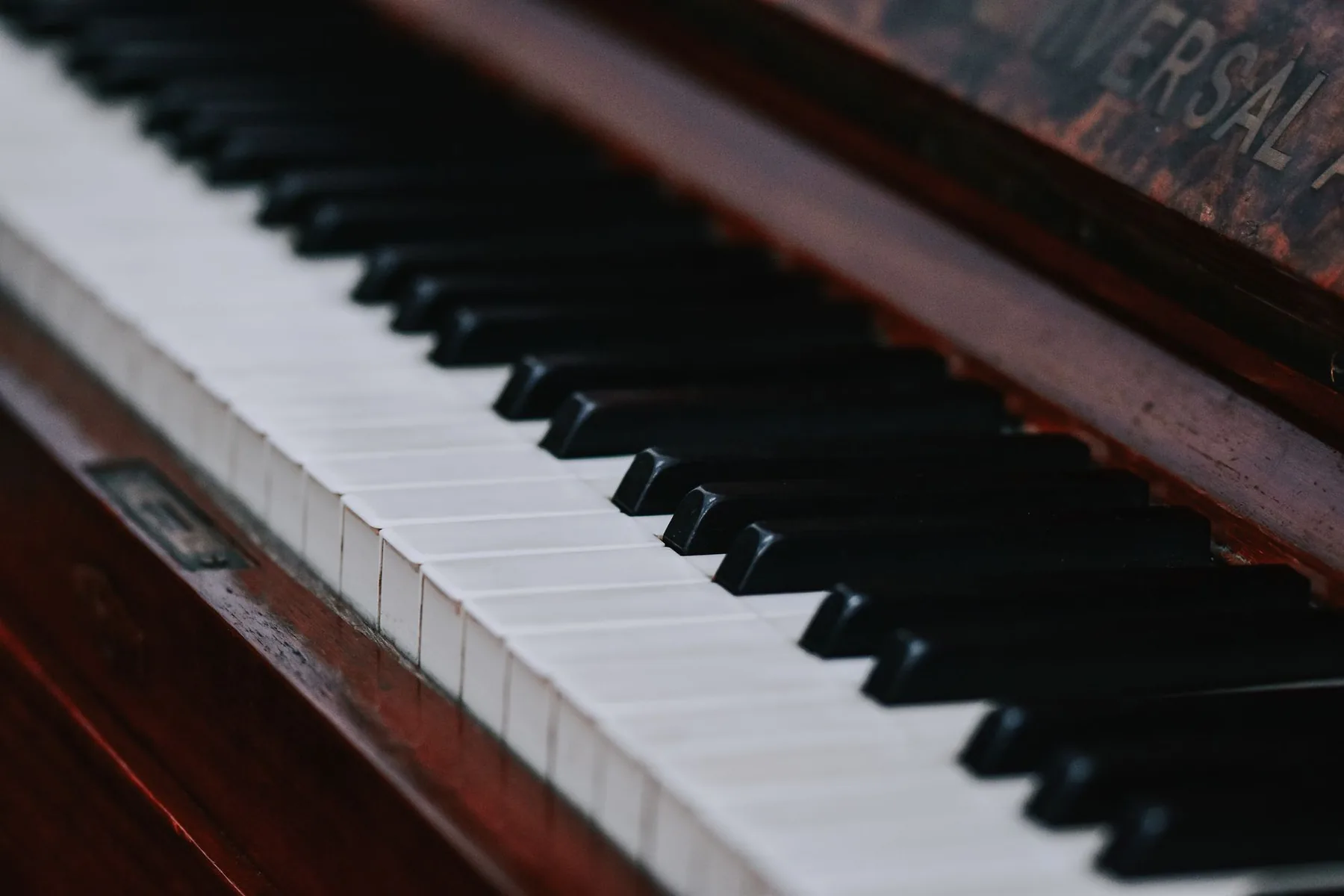
Bluetooth connectivity makes it easy to use a tablet to manage sounds and settings. Each model supports optional stands and pedal units, useful both on stage and in the studio.
“A portable instrument must be robust without compromising the playing experience; the ES series succeeds in meeting this challenge.”
| Strength | Benefit | Recommended use |
|---|---|---|
| ES-920 | Easy transport and powerful sound | Touring performances and rehearsals |
| Precise action | Faithful touch | Expressive playing and studio work |
| Connectivity | Bluetooth and tablet integration | Quick settings and learning |
The CN Series: Balance for Developing Pianists
CN models such as the CN-201 strike a balance between learning and comfort. They offer a responsive keyboard and a graded touch that help develop strength and nuance.
A fixed three-pedal unit provides essential stability during technical exercises. This configuration supports daily work and the practice of subtle dynamics.
The action allows smooth progression to more advanced levels. Each instrument provides a consistent, reliable experience over the years.
The cabinet combines design and strength. The ergonomic controls simplify access to sounds and functions. It is a sensible choice for anyone seeking a durable instrument without moving into the premium range.
- Stability: fixed pedals provide firm technical support.
- Progression: an action suited to developing skills.
- Appearance: a refined cabinet that integrates into the home.
“A consistent product range helps students progress with confidence.”
To compare models and options, read our complete guide: guide to CN models.
The CA Series: Excellence in Wooden-Key Touch
The CA series elevates the playing experience by combining the authenticity of wood with a modern action. The Grand Feel III system incorporates solid-wood keys designed to reproduce the inertia and rebound of an acoustic grand piano.
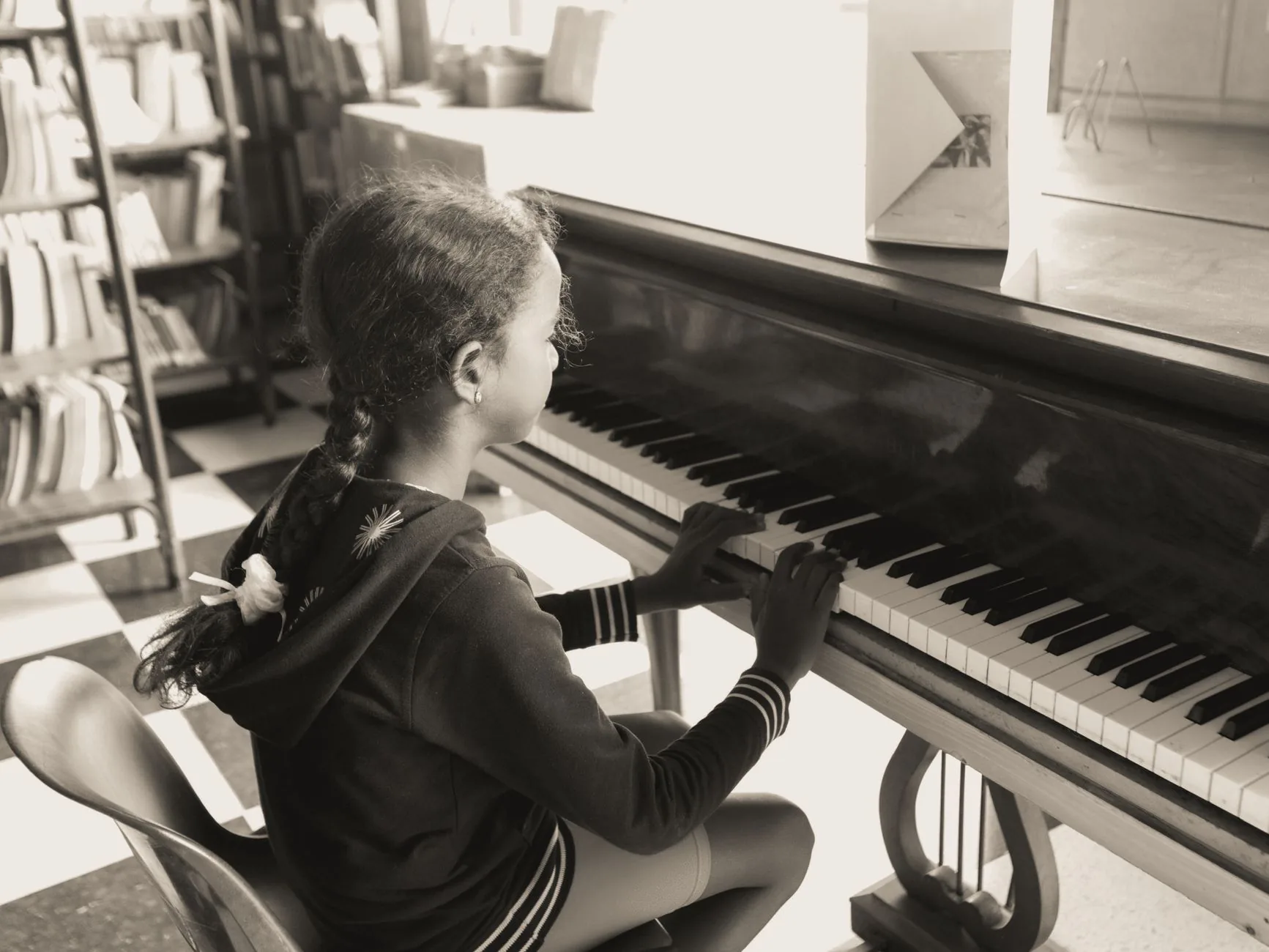
An Introduction to Wooden-Key Touch
The optimized pivot point provides a feeling of progressive resistance. This makes it easier to control dynamics and articulate musical phrases.
The Benchmark of the Range
The CA-501 and CA-901 add powerful speakers for an immersive sound. The resulting experience approaches that of a concert in both dynamics and harmonic richness.
Comparing the Models
The CA-401 emphasizes keyboard precision, while the CA-501 offers greater audio power. Each model retains the same high-quality action and premium construction, ensuring longevity.
“A properly calibrated wooden-key action changes the way a pianist approaches demanding repertoire.”
Why Key Length Changes Everything
Often underestimated, key length determines the inertia felt beneath the fingers.
On an acoustic piano, long keys allow precise control of weight and inertia. This makes it easier to control attacks, particularly when playing pianissimo.
Entry-level pianos often have keys that are too short. The result is limited expressiveness and less nuanced playing.
Premium models reproduce the key length of a grand piano. This design stabilizes key travel, makes the touch more consistent and reduces unwanted variations in weight.
An action with graded hammers and wooden keys provides consistent resistance across the entire range. Experienced musicians immediately notice the difference in dynamics and phrasing control.
“Key length is not a minor detail: it changes the relationship between intention and sound.”
- Adequate length = better control of dynamics.
- Refined action = consistent resistance.
- Wood and build quality = a natural, stable feel.
| Element | Effect on playing | What to check |
|---|---|---|
| Key length | Control of weight and inertia | Key travel similar to that of grand-piano models |
| Graded hammers | Consistent resistance | Weight distribution across every note |
| Wooden keys | Natural feel and stability | Solid material and finish |
To explore how to choose a good keyboard and compare models, read our practical guide on choosing a piano.
Comparison of Action and Sound Technologies
The action and sound engine shape the expressiveness of a modern instrument.
Responsive Hammer Compact provides a solid foundation for portable keyboards. It offers a stable touch at a moderate cost, making it ideal when price and portability matter.
In the mid-range, RH III emphasizes precision and durability. It suits musicians seeking a keyboard close to that of a grand piano, with refined repetition and response.
In terms of sound, the Shigeru Kawai SK-EX generator and Harmonic Imaging technology provide harmonic richness similar to that of a concert grand.
Systems that simulate string resonance add depth. Kawai controls the complete chain: action, sampling and synthesis. The result balances quality and price.
“Choosing a technology means defining your priorities: touch, sound or portability.”
- RHC / Responsive Hammer Compact: portability and value for money.
- RH III: precision, durability and expressive playing.
- SK-EX + Harmonic Imaging: harmonic richness faithful to a concert grand.
| Element | Strength | Recommended use |
|---|---|---|
| Responsive Hammer Compact | Controlled weight, lower cost | Portable stage use and rehearsals |
| RH III | Precision and longevity | Studio work and advanced practice |
| Shigeru SK-EX / Harmonic Imaging | Rich harmonic palette | Concerts and recording |
For a Kawai vs Yamaha comparison and recommendations based on your intended use, follow our guide.
Conclusion
In summary, choosing an established model means prioritizing quality, longevity and expressiveness. A Kawai digital piano offers the quality of construction inherited from acoustic pianos while meeting the market’s expectations.
The diversity of the range allows beginners and advanced musicians alike to find a suitable instrument. The keyboard and actions remain benchmarks for playing experience and progression.
Investing in these models ensures reliability and musicality. Ultimately, this choice supports lasting practice and genuine musical enjoyment, both on stage and at home.

0 Comments