The Yamaha P125 established itself as a benchmark among digital pianos in 2023. Ideal for serious beginners and occasional musicians, it combines performance with simplicity.
With its compact design and realistic sound, this model meets the expectations of discerning users. Its modern connectivity makes it easy to integrate into a variety of musical environments.
Positioned between the P145 and the P-515, it offers excellent value for money. The newer P125A version brings a few improvements while retaining the essentials.
Whether you want to learn or improve your skills, this digital piano will support you throughout your musical development.
Introduction: an ideal digital piano for enthusiasts
Designed for aspiring musicians, this model combines performance with accessibility. Its heritage from the P115 (2018), and its role as a replacement for the P45/P145, ensure a well-managed technical evolution.
Why choose the Yamaha P125?
With 24 high-resolution voices and a 2-track recorder, it meets creative needs. Its 192-note polyphony lets you play complex compositions without any loss of quality.
Its 14 W output is ideal for intimate concerts. Compatibility with the Smart Pianist app makes it easy to adjust settings from a smartphone.
Target audience: beginners and occasional pianists
Perfect for budgets between €500 and €700, it appeals to students living in apartments. Teachers appreciate its Duo/Split modes, which are useful during lessons.
Compared with the Roland FP-30X, it offers better value for money, despite a slightly shallower action. A balanced choice for making steady progress.
Compact and portable design
With its reduced dimensions, this model fits easily into confined spaces. Its light 11.8 kg weight and 132.6 × 29.5 × 16.6 cm dimensions make it a digital piano well suited to shared accommodation or small studios.
Dimensions and weight suited to small spaces
The keyboard is designed to optimize space as much as possible. Compatible with third-party supports such as X/S stands, it can easily be carried in a dedicated bag for rehearsals.
The optional L-125 stand adds a touch of elegance without sacrificing practicality. It is perfect for anyone seeking a system that is both functional and discreet.
Understated, modern styling
The fingerprint-resistant finish and LED controls add a contemporary touch. The minimalist design blends harmoniously into modern interiors.
The Yamaha P125 proves that a portable instrument can combine performance with elegance. An ideal solution for musicians on the move.
A high-quality keyboard with Graded Hammer Standard (GHS) action
The keyboard action is a key consideration for pianists, and the Yamaha P125 excels in this area. Its Graded Hammer Standard system reproduces the progressive key weighting of an acoustic piano, with heavier bass keys and lighter treble keys.
Key sensitivity and dynamics
The 88 full-length keys provide realistic weighting, ideal for working on expression. Four sensitivity settings (Hard/Medium/Soft/Fixed) adapt to your style, from delicate playing to energetic pieces.
The nonslip matte surface provides precise control, even during long sessions. Although the key travel is slightly shorter than on an acoustic piano, the feel remains impressive, particularly at the dynamic extremes, from pianissimo to forte.
Comparison with acoustic pianos
The P125’s piano-like touch comes close to that of a traditional instrument, despite the lack of ivory/ebony textures. The plastic finish makes maintenance easier, which is an advantage for regular users.
Unlike an acoustic piano, the Hammer Standard mechanism does not require tuning. It is an intelligent compromise between authenticity and practicality, especially for travelling musicians.
Immersive sound and Pure CF technology
Immerse yourself in an exceptional listening experience with the Pure CF system. The Yamaha P125 reproduces the richness of an acoustic piano.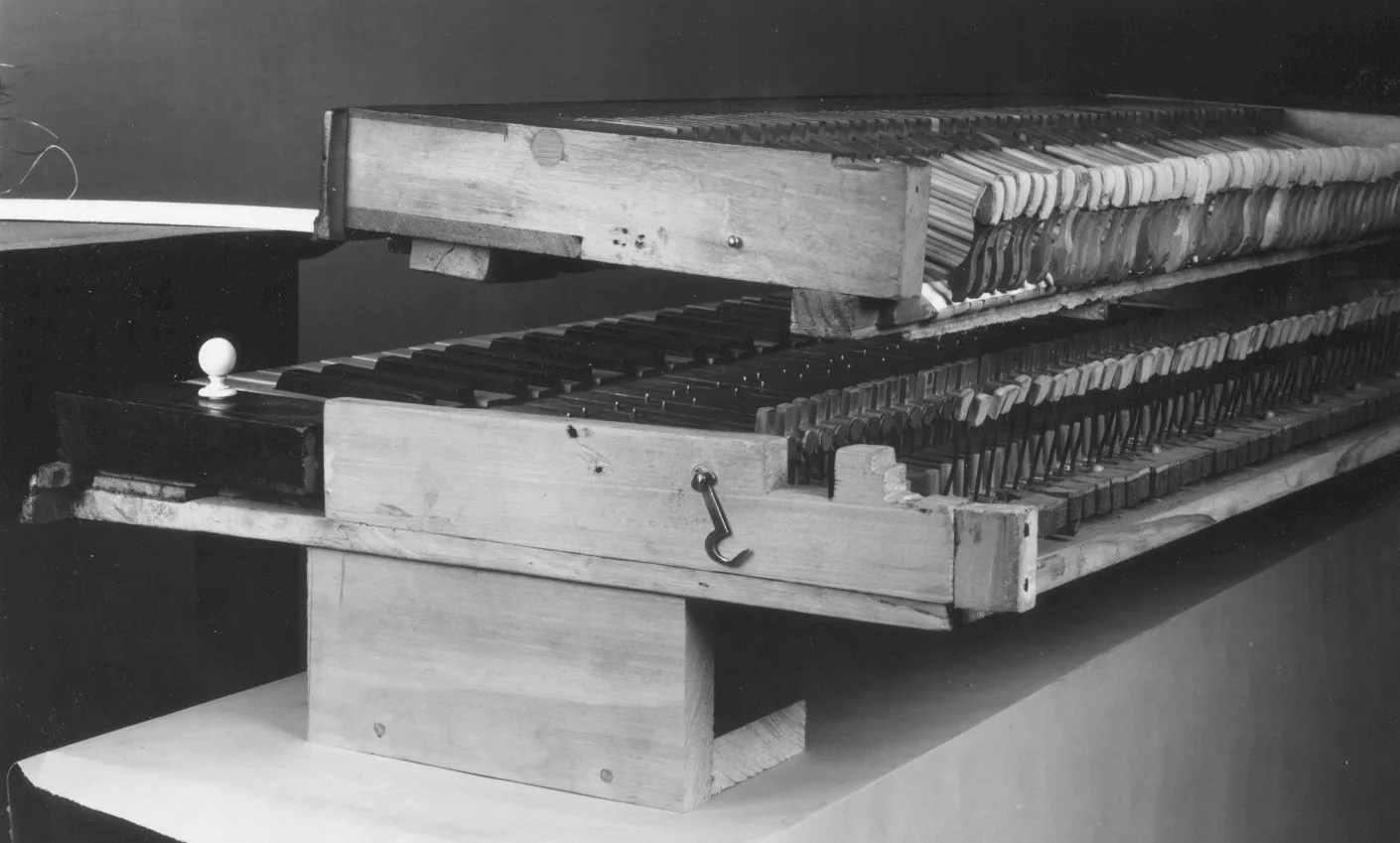
Four-layer sampling of the Yamaha CFIIIS concert grand
Each key benefits from four dynamic layers, capturing nuances from pianissimo to forte. Pure CF technology delivers realistic sounds, with complex harmonics and natural sustain.
192-note polyphony: benefits for compositions
With 192-note polyphony, layered voices and sustain-pedal use cause no dropouts. Ideal for dense pieces or multitrack recordings, this capacity makes it possible to create sophisticated arrangements without compromise.
Stereophonic Optimizer and equalizer settings
The four speakers and Intelligent Acoustic Control automatically adjust frequencies to suit the environment. Customize your mix with the Table EQ function or choose from reverb settings (Hall/Club) for premium audio quality.
The only limitation is that the bass can sound slightly compressed at maximum volume, a compromise arising from the compact format.
The Smart Pianist app: a connected advantage
The Smart Pianist app turns your smartphone into a genuine control console. Compatible with iOS and Android, it synchronizes your digital piano with an intuitive interface. It is an asset for pianists looking to combine tradition with modern technology.
Intuitive control from a smartphone or tablet
Control is provided via Bluetooth MIDI (optional adapter) or USB. Change sound settings, access the customizable Piano Room, or explore 50 classical pieces with built-in scores. The app even simplifies synchronization with DAWs such as Cubasis or GarageBand.
Enjoyable creative features
Record your compositions in WAV/MIDI format directly on your mobile device. Share your achievements on social media or use the visual metronome to perfect your timing. Three months of free access to Flowkey adds an educational dimension.
To explore other models suited to your needs, see our guide to digital pianos. The Yamaha P125 ecosystem makes every session an immersive musical experience.
Practical learning features
Making rapid progress becomes easier thanks to the P125’s dedicated features. Designed for pianists in training, this model includes tools that turn every session into an opportunity to improve.
Shared playing and teaching with Duo and Split modes
Duo mode divides the keyboard into two identical zones, making it ideal for teacher/student lessons. Split mode, meanwhile, lets you play a melody on the right and an accompaniment on the left.
These options are perfect for duet rehearsals or exploring a variety of styles. Teachers and self-taught musicians alike appreciate this flexibility.
Rhythm and precision with the built-in metronome
The adjustable metronome (20 to 280 BPM) and 20 bass and drum rhythms help you work on timing. Jazz, rock or pop: each style has dynamic variations for realistic exercises.
| Rhythm type | Variations | Use |
|---|---|---|
| Jazz | 3 intensity levels | Improvisation |
| Rock | Emphasized drums | Rhythmic structures |
| Pop | Synth bass | Modern compositions |
Recording and analysis with the 2-track recorder
Record each hand separately to measure your progress. Chord visualization through the app and the practice loop make it easier to correct mistakes.
The optional FC3A sustain pedal enhances recordings, although it is not included in the basic package. It is a key feature for ambitious compositions.
Connectivity and expansion options
The P125’s connectivity opens up unexpected creative possibilities. This digital piano incorporates a variety of ports to meet musicians’ needs, whether they rehearse alone or perform onstage.
USB ports, headphone outputs and stereo line outputs
The USB Audio/MIDI port lets you record directly into a DAW such as Cubase or GarageBand. A headphone output (6.3 mm) allows silent playing, which is ideal in an apartment. For more powerful sound, the stereo line output connects to a PA system or studio monitors.
The Beyerdynamic DT 770 Pro 80 Ω is recommended for its faithful bass reproduction, which is perfect for complex pieces. In a home-studio setup, add external MIDI controllers via USB to expand your options.
Compatibility with optional pedals
The LP-1B triple pedal unit with sustain reproduces the nuances of an acoustic piano, with half-pedaling and sostenuto. It is a simple upgrade for anyone moving from a basic Yamaha digital piano to a professional setup.
For concerts, mixing through the line output ensures even sound distribution. The L-125B stand adds stability and elegance, turning the P125 into the centerpiece of a living room or studio.
Strengths and limitations of the Yamaha P125
This model appeals because of its balance between performance and accessibility. At under €600, it offers features normally reserved for premium instruments.
Excellent value for money
At an average price of €519, this digital piano outperforms its direct competitors. Compared with the Roland FP-30X (€699), it offers:
- A richer orchestral sound with 24 voices
- Immediate ease of use thanks to a simplified interface
- A 3-year manufacturer’s warranty
Its portability (11.8 kg) makes it an ally for travelling musicians. Its compact format suits small spaces without sacrificing sound quality.
A few compromises to bear in mind
Although responsive, the action lacks depth compared with PHA-4 mechanisms. The accompaniment rhythms remain basic:
- No built-in Bluetooth (an adapter is required)
- Less realistic organ samples
- Light action for demanding classical pieces
Find more technical details on the official website. This model is particularly well suited to musicians seeking an intelligent compromise between budget and performance.
| Criterion | Strength | Limitation |
|---|---|---|
| Action | Realistic Graded Hammer Standard | Slightly short key travel |
| Connectivity | Full USB Audio/MIDI | Optional Bluetooth |
| Durability | Robust construction | Plastic prone to marks |
Despite a few compromises, this model retains a remarkable price-to-performance ratio. Perfect for regular players, it could disappoint virtuosos seeking absolute authenticity.
Comparison with other models
Among the available options, the Yamaha P125 stands out for its balance between performance and accessibility. Compared with competitors such as the Roland FP-30X or Yamaha P45, it offers unique benefits for discerning musicians.
Main differences in price and performance
The table below summarizes the main differences between these models:
| Feature | Roland FP-30X | Yamaha P45 | Yamaha P125 |
|---|---|---|---|
| Polyphony | 256 notes | 64 notes | 192 notes |
| Average price | €599 | €450 | €519 |
| Sound technology | Custom speakers | AWM Stereo Sampling | Pure CF |
| Pedal options | Single sustain pedal | Basic sustain pedal | Compatible with a triple pedal unit |
The Roland FP-30X shines with its high polyphony, which is ideal for complex compositions. However, its higher price and speakers, which sound less natural than the P125’s Pure CF technology, may deter some buyers.
Why choose the P125 in 2023?
Here are three reasons to choose this model:
- Versatility: perfect for home studios and live rehearsals thanks to its multiple audio outputs.
- Upgrade potential: compatible with premium pedals such as the LP-1B, unlike the P45.
- Value for money: its slightly higher price than the P45 is justified by features similar to those of the best digital pianos.
Another possibility is the Kawai ES120, which offers an exceptional RH3 action, but its price often exceeds €700. The P125 therefore remains a balanced choice for progressing without spending a fortune.
Where can you buy the Yamaha P125 at the best price?
Finding the right retailer for your instrument is essential for a secure purchase and reliable after-sales service. Here are the most advantageous options in 2023.
Reliable online stores
Thomann often offers the model for €519, including a European warranty. Amazon lists variable prices (up to €751), but check that sellers are authorized to avoid counterfeits.
To compare offers, use platforms such as idealo.fr or Shopbot. Packages including a carrying bag and sustain pedal are common at specialist retailers.
Times and tips for saving money
Summer sales and Black Friday offer discounts of up to 15%. Also look out for certified used instruments on Reverb or Backmarket, which are ideal for tight budgets.
| Retailer | Average price | Benefits |
|---|---|---|
| Thomann | €519 | 3-year warranty |
| Amazon | Variable | Fast delivery |
| Used | €400 to €450 | Immediate savings |
Find more advice about the Yamaha P125. Always choose authorized retailers for a risk-free purchase.
Conclusion: an excellent choice for discerning enthusiasts
This digital piano is an ideal solution for anyone seeking a serious instrument without spending a fortune. Its realistic action and rich sound meet the expectations of the most discerning musicians.
Three major advantages justify this choice:
- Ergonomics suited to long sessions
- Upgrade options through add-on modules
- Remarkable sound quality for the price
Perfect as a first instrument or master keyboard, it offers an excellent compromise. Its price below €600 gives it one of the best feature-to-price ratios on the market.
To continue your research, read our guide to the best models. A wise investment for making steady progress with confidence.



0 Comments